
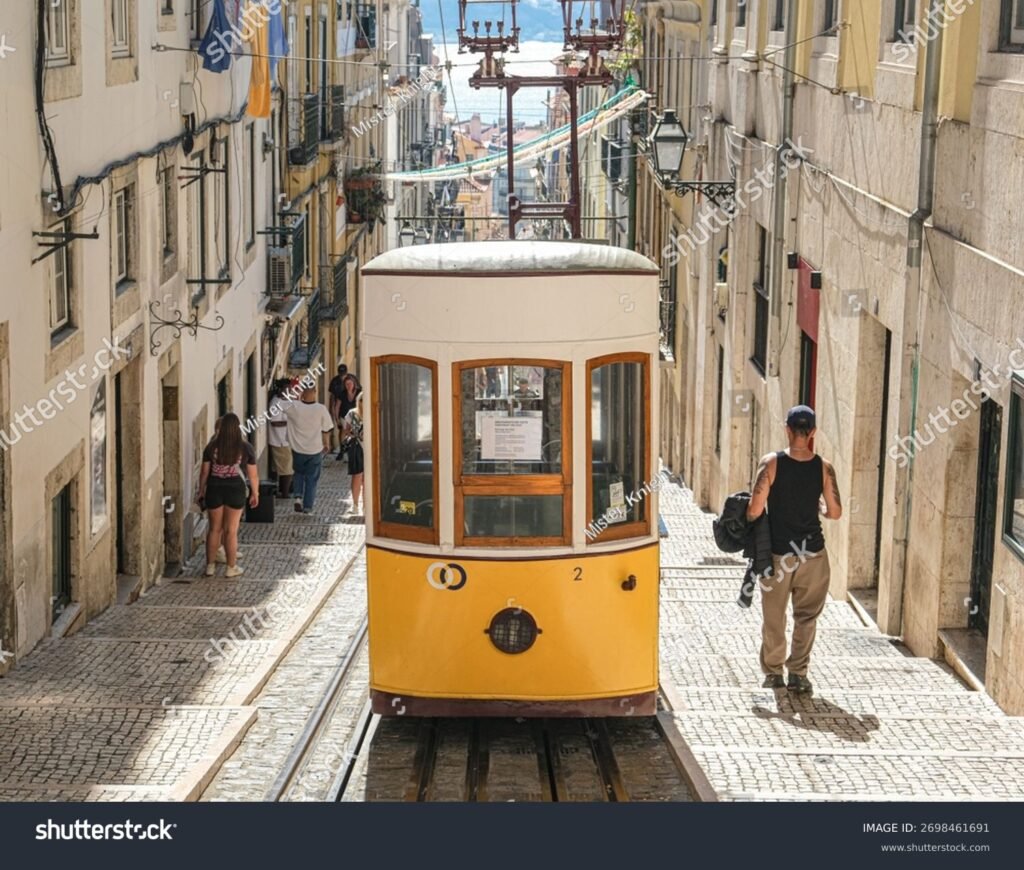
There is a specific kind of magic that happens when you step off a plane in Lisbon. It’s not just the sudden shift in temperature or the smell of salt air blowing in from the Atlantic; it’s the light. The city is bathed in a perpetual, golden glow that bounces off white limestone hills and hand-painted ceramic tiles. For many U.S. travelers, Europe often feels like a checklist of “must-see” monuments, but Portugal feels like a conversation you never want to end.
If you’ve been scrolling through photos of the Algarve’s sea caves or Porto’s riverside cafes and wondering if the reality lives up to the hype, I’m here to tell you: it does. But it’s even better when you know how to navigate it like a local. Whether you’re a solo backpacker, a couple looking for romance, or a family seeking adventure, here is how to plan a trip to Portugal that goes beyond the glossy brochures.
Setting the Scene: Why Portugal is Topping Every Travel List
For years, Portugal was the “quiet neighbor” of Spain and France. Today, it’s one of the most sought-after destinations for Americans, and for good reason. It offers a rare combination of Old World charm, modern infrastructure, and a cost of living that makes your dollars stretch significantly further than they would in London or Paris.
However, the secret is out. To truly enjoy your time here, you need a strategy that balances the iconic sights with the quiet, authentic moments that make this country special.
When to Go: Timing Your Visit for Perfect Weather and Fewer Crowds
Timing is everything. If you show up in the middle of August, you’ll be sharing the narrow streets of Alfama with thousands of other tourists in 95°F heat.
- The Sweet Spot (Shoulder Season): May to June and September to October are the “Goldilocks” months. The weather is warm enough for the beach but cool enough for hiking the hills of Sintra.
- The Winter Escape: If you’re coming from the U.S. Northeast or Midwest, a Portuguese winter is a dream. While it can be rainy in the north (Porto), the Algarve remains sunny and mild, with temperatures often hovering in the 60s. Plus, hotel prices plummet.
- The Festival Factor: If you want a truly wild cultural experience, visit in June. The Festas de Lisboa (specifically St. Anthony’s Day on June 12-13) turns the capital into a giant street party smelling of grilled sardines and red wine.
Budgeting: Making the Most of Your Dollars
One of the biggest draws for U.S. travelers is the affordability. While prices have risen in recent years, Portugal remains one of the best values in Western Europe.
The Daily Breakdown
| Expense | Estimated Cost (USD) | Pro Tip |
| Accommodation | $100–$250/night | Look for “Boutique Guest Houses” for a local feel. |
| Casual Meal | $12–$18 | Order the Prato do Dia (Plate of the Day) at lunch. |
| Fine Dining | $50–$80 | Michelin-starred meals are often half the price of NYC. |
| Coffee (Espresso) | $0.80–$1.20 | Drink it at the counter (ao balcão) to save money. |
Saving Without Sacrificing
Don’t be fooled by the “couvert” at restaurants. When you sit down, waiters will often bring bread, olives, and cheese. These are not free. If you don’t want them, politely say “No, thank you,” and they’ll take them away. If you eat them, you’ll see a few extra Euros on your bill.
Cultural Nuances: More Than Just “Obrigado”
Portuguese culture is defined by gentileza (kindness) and a touch of saudade—a beautiful, melancholic longing for the past.
Language Matters
Most people in major cities speak excellent English, but starting with a simple “Bom dia” (Good morning) or “Olá” (Hello) goes a long way.
Helpful note: When saying “In Portuguese, the word for “thank you” differs by gender — men say Obrigado, while women say Obrigada
The Pace of Life
Dinner starts late (usually 8:00 PM or later). Don’t expect a “quick bite” at a traditional tasca. Meals are meant to be savored, often lasting two hours or more.
Fado Music
You can’t leave without visiting a Fado house. It’s soulful, haunting music often performed in candlelit rooms. Avoid the “dinner and show” tourist traps; instead, look for “Fado Vadio” (amateur Fado) where locals get up and sing from the heart.
Safety and Practicalities for U.S. Travelers
Portugal is widely recognized as one of the safest countries worldwide. However, being a savvy traveler is always a must.
Staying Safe
Pickpockets:
Like any major tourist hub, Lisbon and Porto have opportunistic pickpockets, particularly on the famous Tram 28. Keep your bags in front of you and don’t keep your phone in your back pocket.
Scams:
In Lisbon, you may be approached by people offering to sell you “substances” in the street. These are almost always dried herbs or fake. Simply say “No” and keep walking; they aren’t dangerous, just annoying.
Practical Essentials
Footwear is Key:
This is my most important piece of advice: Leave the heels at home. Portugal is famous for its calçada portuguesa (mosaic cobblestones). They are stunning, but they are incredibly slippery, even when dry. Bring sturdy walking shoes with good grip.
Connectivity:
Skip the expensive international roaming plans from your U.S. carrier. Buy a local E-Sim (like Airalo) or a physical SIM card at the airport for about $20. You’ll get massive amounts of data for a fraction of the cost.
Logistics: Getting Around the Land of Discovery
Should you rent a car? It depends on your itinerary.
Trains and Buses
If you are sticking to the Lisbon–Coimbra–Porto corridor, the Alfa Pendular (high-speed train) is fantastic. It’s affordable, clean, and offers beautiful views of the countryside. Use the Comboios de Portugal (CP) app to book tickets in advance for significant discounts.
Driving
If you want to explore the hidden beaches of the Alentejo or the vineyards of the Douro Valley, you’ll need a car.
Manual vs. Automatic:
In Europe, manuals are the default. If you need an automatic, book well in advance and expect to pay a premium.
Tolls:
Most highways are electronic tolls. Ensure your rental car has a “Via Verde” transponder, or you’ll face a headache trying to pay the tolls at local post offices later.
Must-Visit Regions (Beyond the Usual Suspects)
While Lisbon and Porto are the anchors of any trip, try to squeeze in at least one of these regions:
The Alentejo:
Located between Lisbon and the Algarve, this is the “Slow Food” capital of Portugal. Think rolling plains, cork forests, and world-class wine.
The Douro Valley:
Even if you aren’t a big wine drinker, the terraced hillsides of the Douro are a UNESCO World Heritage site and arguably the most beautiful part of the country.
Sintra:
Yes, it’s touristy, but the Pena Palace looks like a fever dream of a Disney castle. Go as early as possible (9:00 AM) to beat the bus tours.
The Final Word: Just Book the Flight
Travel has a way of complicating itself in our minds—we worry about the budget, the language barrier, or the “perfect” itinerary. But Portugal is a forgiving and welcoming destination. It’s a place that rewards the curious traveler who isn’t afraid to get lost in a back alley or strike up a conversation with a local baker.
You’ll come for the views and the sunshine, but you’ll return because of the way the country makes you feel: unhurried, inspired, and genuinely welcome.
