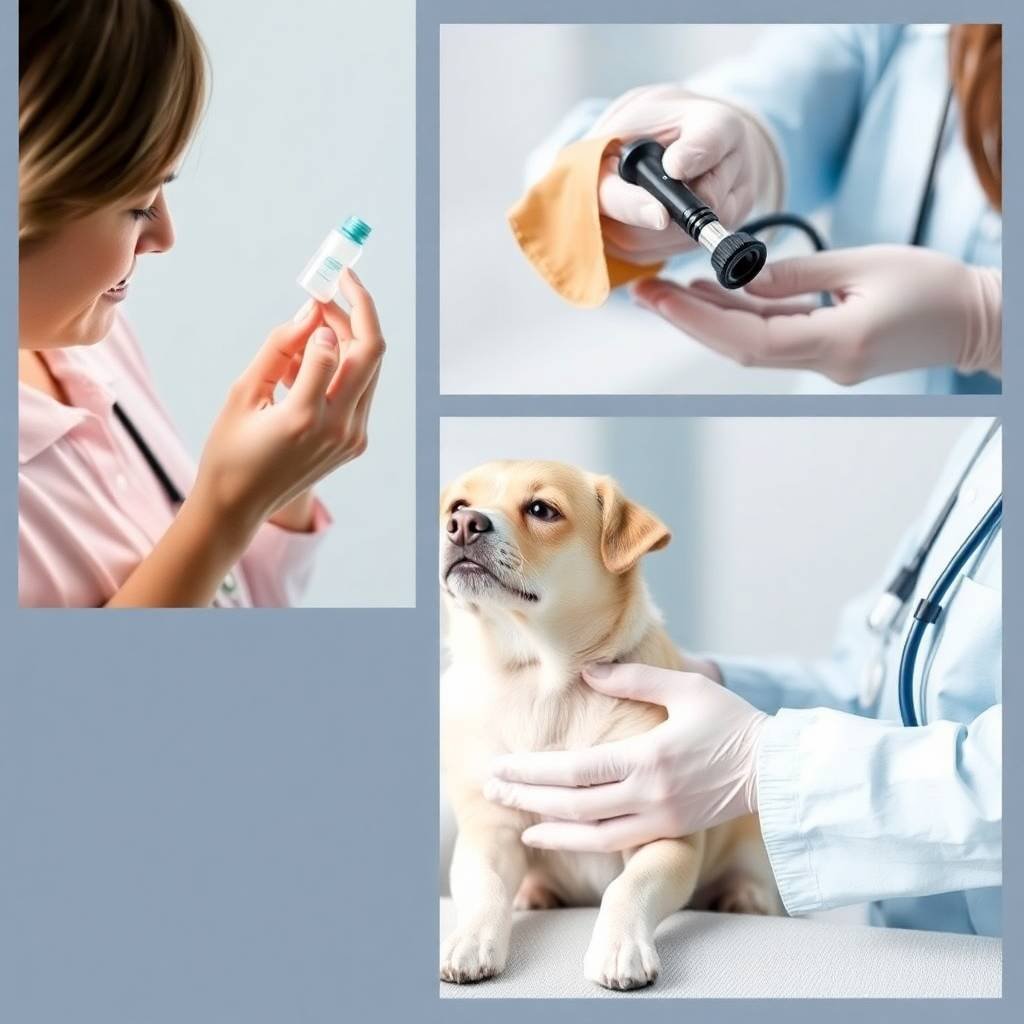


Dog Care and Health in 2026 is a holistic blend of advanced technology, premium nutrition, and proactive health management. By prioritizing modern Dog Care and Health, owners can ensure their furry companions live longer, happier lives in an ever-evolving world
Dog Care and Health is the top priority for millions of Americans who consider their pets cherished family members“—it is a cherished family member. By 2026, the bond between humans and dogs has never been stronger, powered by advanced pet technology and deeper understanding of canine behavior. However, being a responsible “dog parent” in the United States requires navigating a complex world of specialized nutrition, mandatory vaccinations, and behavioral nuances.
This comprehensive 2,000-word guide is your roadmap to raising a thriving dog in an American home, covering everything from life-saving medical advice to decoding your dog’s silent messages.
1. Creating the Ideal Indoor Habitat: The American Home Setup
Domestic life for a dog in the U.S. is centered around safety and stimulation. Whether you live in a high-rise apartment in NYC or a suburban home in Texas, your dog’s living space determines their mental health.
Essential Supplies for Modern Dog Care and Health
- The “Den” Concept: Dogs are den animals. Providing a high-quality crate (like those from Diggs or Impact) acts as a safe sanctuary, not a cage.
- Orthopedic Bedding: Especially for larger breeds like Labs or Goldens, orthopedic foam beds are essential to prevent joint issues as they age.
- Interactive Stations: In 2026, smart puzzles (like Nina Ottosson designs) are standard for keeping indoor dogs mentally occupied while owners are at work.
Safety First
Ensure your yard is fenced and your home is free of toxic plants. In America, “smart collars” (like Fi or Whistle) with GPS and health tracking have become a must-have for every household to prevent lost pets.
2. Deciphering “Dog-Speak”: Understanding Canine Language
If you think a wagging tail always means happiness, you’re missing half the conversation. Canine communication is a sophisticated blend of posture, facial expressions, and vocalizations.
Body Language Signs
- The Tail Position: A relaxed, mid-level wag means “I’m happy.” A high, stiff wag indicates hyper-arousal or potential aggression. A lowered tail is a clear signal of fear.
- Whale Eye: When a dog shows the whites of their eyes, they are feeling stressed or threatened. This is an essential “stop” signal for dog owners.
- The Play Bow: Lowering the front half of the body while keeping the rear up is the universal “let’s play” signal.
- Licking Lips: If a dog licks their lips without food present, it is signaling anxiety or trying to appease a perceived threat.
3. Nutrition and Diet: Feeding for Longevity
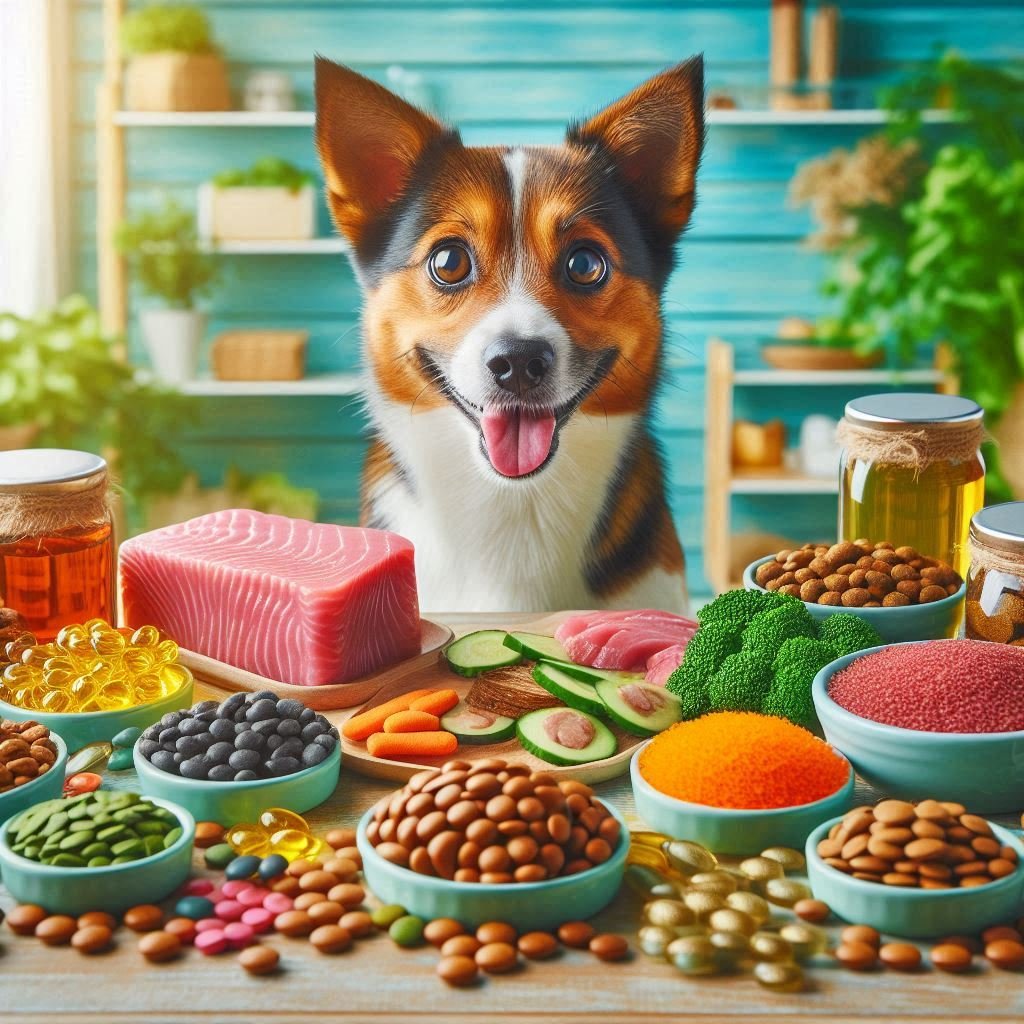
.The “Pet Food Revolution” of 2026 has transformed Dog Care and Health by shifting away from mystery kibble toward Biologically Appropriate Raw Food (BARF) and fresh-cooked, human-grade meals. Today, the foundation of excellent Dog Care and Health starts in the kitchen, ensuring every nutrient supports your pet’s longevity and daily energy
Choosing the Right Food
- Fresh Delivery Services: Brands like The Farmer’s Dog or Ollie are top-rated in the U.S. for providing tailored caloric intake based on your dog’s activity level.
- The Grain-Free Debate: While popular, many U.S. vets now recommend “ancient grains” (like quinoa or oats) to support heart health unless your dog has a specific allergy.
Toxic Foods to Avoid (The “Never” List)
- Xylitol (Birch Sugar): Found in sugar-free gum and some peanut butters; it is instantly fatal to dogs.
- Grapes and raisins: Can cause sudden kidney problems
- .Cooked Bones: May break and injure the digestive system
4. The American Vaccination Schedule: Your Dog’s Shield
Preventive care in the U.S. is strictly monitored. To enroll in “Doggie Daycare” or boarding, your dog must be up-to-date on these essentials.
Core Vaccines (Required)
Preventive vaccinations are a non-negotiable part of Dog Care and Health in the United States. To maintain optimal Dog Care and Health, your pet must stay up-to-date with these core essentials:
Rabies: Legally mandated across the U.S. for basic Dog Care and Health. Usually given at 16 weeks, then every 1 or 3 years.
DHPP: A critical shield for Dog Care and Health, protecting against Distemper, Hepatitis, Parvovirus, and Parainfluenza.
Leptospirosis: Increasingly important for Dog Care and Health in the U.S. due to wildlife exposure in suburban areas.
Non-Core Vaccines
- .Bordetella (Kennel Cough): Crucial for dogs that interact with others
- Lyme Disease: Crucial for dogs in the Northeast and Midwest U.S.
5. Common Illnesses and Home Treatment (U.S. Context)
Knowing how to react to minor symptoms can save you a trip to the emergency vet, where bills often exceed $500 just for the exam.
Managing Cold and Cough (Kennel Cough)
- Symptoms: A dry, “honking” cough or runny nose.
- U.S. OTC Treatment: Some vets suggest Robitussin-DM (adult strength), but only after confirming the dosage with a professional.
- Home Care: Use a humidifier and offer honey to soothe the throat.
Diarrhea and Upset Stomach
- The “Bland Diet”: The standard American vet advice is boiled chicken and plain white rice for 48 hours.
- OTC Medications: Pepto-Bismol or Imodium can sometimes be used (0.5 to 1 mg per pound), but always call your vet first to rule out blockages.
- Probiotics: Purina Pro Plan FortiFlora remains the top-recommended supplement for gut health.
Parasite Prevention
Heartworm is a massive threat in the U.S. Monthly preventatives like Heartgard Plus or NexGard (for fleas/ticks) are non-negotiable year-round.
6. Seasonal Care: From Arctic Blasts to Heatwaves
America’s diverse climate requires dog owners to be adaptable.
Surviving the Winter (The “Cold Weather Rule”)
- Paw Protection: Salt used on U.S. sidewalks is toxic and burns paws. Use Musher’s Secret Paw Wax or dog boots (like Ruffwear).
- Coat Care: Breeds with short hair (like Boxers or Greyhounds) require jackets when temperatures drop below 45°F.
- Antifreeze Danger: Keep your dog away from green puddles in driveways; it is sweet-tasting but deadly.
Summer Safety (The “Hot Pavement Test”)
- The 7-Second Rule: Gently rest the back of your hand on the pavement to test its heat.
If your hand can’t stay there for 7 seconds, the pavement is too hot for your pet’s paws. - Heatstroke Prevention: If your dog is panting excessively or has bright red gums, they are overheating. Use a cooling vest or offer “pupsicles” (frozen broth).
7. The Importance of Training and Socialization
.In the U.S., “Good Citizen” training is greatly respected A well-behaved dog is welcome in more public spaces.
- Positive Reinforcement: Modern training focuses on rewards, not punishment.
- Early Socialization: The window between 3 and 16 weeks is vital for introducing your dog to different sounds, smells, and people.
Professional Help
Certified trainers (CPDT-KA) are available across the U.S. to help with separation anxiety—a major issue in 2026 as more people return to offices.
8. Behavioral Health: Preventing Anxiety and Boredom
Dogs are social creatures. Leaving them alone for 10 hours a day leads to destructive behavior and “Lick Granulomas” (obsessive licking due to stress).
- Dog Walkers: Apps like Rover or Wag! are widely used in the U.S. for midday exercise.
- Pheromone Therapy: Using Adaptil diffusers can help calm anxious dogs during fireworks or moves.
FAQ: Most Searched Questions About Dog Care and Health
Q: How do I stop my dog from barking at the mailman to improve home Dog Care and Health? A: This is “territorial barking.” For better Dog Care and Health and a calmer home, use desensitization training and provide a “place” command (like a specific rug) where the dog goes when the doorbell rings.
Q: Is pet insurance worth it for Dog Care and Health in 2026? A: Yes. To protect your Dog Care and Health budget from surgeries costing $5,000–$10,000, providers like Lemonade, Healthy Paws, or Nationwide are essential for most American families.
Q: Is Benadryl safe for Dog Care and Health regarding allergy relief? A: Yes, many U.S. vets recommend it as part of seasonal Dog Care and Health (usually 1 mg per pound), but ensure it contains no decongestants or alcohol.
For more professional advice, you can visit the American Kennel Club to learn more about dog standards and safety
Conclusion: The Path to Lifelong Dog Care and Health
Raising a dog in 2026 is both a challenge and a joy. By staying proactive with preventive care, understanding the nuances of canine language, and providing a balanced, healthy lifestyle, you are ensuring a long, vibrant life for your furry companion. Your dog doesn’t just want food and a bed; they want to be understood.
Your Next Step as a Dog Parent
Would you like me to create a personalized 12-week puppy training schedule or a detailed comparison of the top 5 pet insurance providers in the U.S. for 2026?