
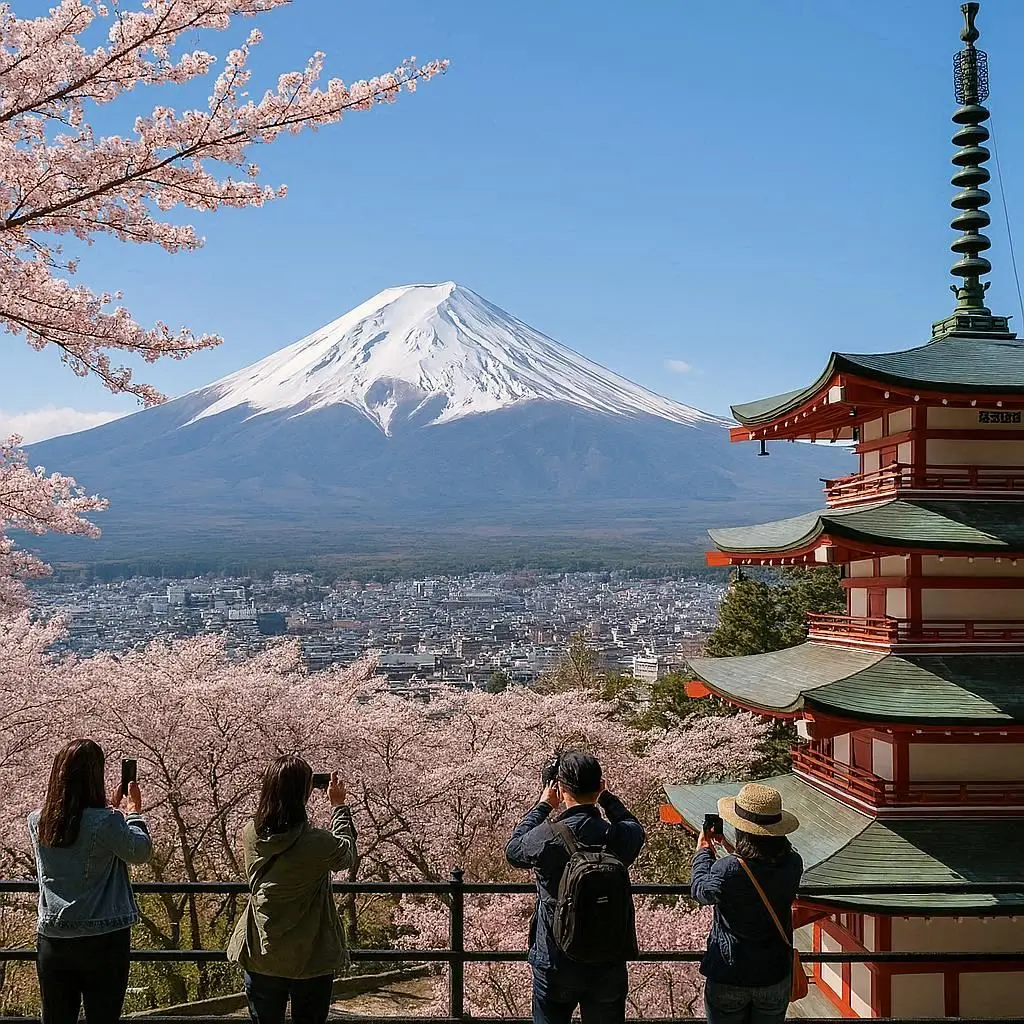
Introduction: Why Japan Is a Dream Destination for First-Time Travelers
For many Americans, visiting Japan feels like stepping into another world. It’s a country where centuries-old temples exist next to robotic cafes, bullet trains glide past quiet villages, and convenience stores sell gourmet-quality meals.
If this is your first trip to Japan, you’re probably wondering where to go, what to eat, how to get around, and how to avoid common travel mistakes. This guide breaks everything down in a simple, practical way so you can plan smarter, travel easier, and experience Japan like a pro—even on your first visit.
When Is the Best Time to Visit Japan?
Picking the right season can fully transform your travel experience.
Spring (March to May)
- Japan’s most famous travel season.
- Cherry blossoms transform parks and streets into pink landscapes.
- Temperatures are mild, making sightseeing comfortable.
Summer (June to August)
- Festival season with fireworks, street food events, and cultural celebrations.
- Hot and humid, but perfect for vibrant nightlife and beach destinations.
Fall (September to November)
- Cooler weather with stunning red and gold foliage.
- Ideal for hiking, temple visits, and photography.
Winter (December to February)
- Snow lovers can enjoy skiing in northern regions and relaxing in traditional hot springs.
- Winter festivals and illuminated cities add unique charm.
Pro Tip: Spring and fall sell out fast. Reserve flights and hotels at least 2–3 months in advance.
Entry Requirements for American Travelers
- Most U.S. passport holders can enter Japan without a visa for short tourist stays.
- Rules can change, so always double-check official government travel updates before departure.
- Ensure your passport is valid for your entire stay and keep a digital copy stored safely.
How to Get Around Japan Without Stress
Japan’s transportation system is one of the best in the world — but it can look confusing at first.
Bullet Trains (Shinkansen)
- Connect major cities like Tokyo, Kyoto, Osaka, and Hiroshima in hours instead of days.
IC Cards (Suica / Pasmo)
- Prepaid cards that work on buses, subways, vending machines, and convenience stores.
- Save time and eliminate the need for cash tickets.
Local Trains and Subways
- Major cities have color-coded subway lines and English signage, making navigation easy.
Taxis
- Clean and reliable but expensive. Best for late-night travel or carrying heavy luggage.
Top Cities Every First-Time Visitor Should See
Tokyo: The Heart of Modern Japan
- Fast, futuristic, and endlessly entertaining.
Don’t Miss:
- Shibuya Crossing for iconic city views
- Asakusa’s traditional shopping streets
- Harajuku for youth culture and fashion
- Observation decks like Tokyo Skytree
Local Tip: Visit popular attractions early in the morning to avoid massive crowds.
Kyoto: Where History Comes Alive
- Feels like stepping back in time.
Highlights Include:
- Thousands of red torii gates at Fushimi Inari
- Zen gardens and golden temples
- Traditional geisha districts
- Authentic tea ceremony experiences
Travel Hack: Rent a bike—many temples are close together.
Osaka: Japan’s Food Capital
- Famous for friendly locals and legendary street food.
Must-Experience Spots:
- Dotonbori nightlife area
- Street food stalls serving takoyaki and okonomiyaki
- Osaka Castle park
- Shopping arcades packed with local snacks
Hiroshima and Miyajima: History and Natural Beauty
- Meaningful historical sites in Hiroshima
- Peaceful scenery and mountain trails on Miyajima Island
Hokkaido: Nature, Snow, and Outdoor Adventures
- Wide landscapes, fresh seafood, and winter sports.
Popular Activities:
- Snow festivals
- Hiking national parks
- Soaking in outdoor hot springs surrounded by snow
What to Eat in Japan (Beginner-Friendly Guide)
Must-Try Meals
- Ramen with region-specific flavors
- Fresh sushi and sashimi
- Crispy tempura
- Savory street snacks
- Matcha-based desserts
Beginner Tip: Many restaurants display realistic plastic food models, making ordering easy even without Japanese language skills.
Cultural Rules That Make You Look Like a Respectful Traveler
- Always stand in line patiently
- Speak quietly on public transportation
- Remove shoes when required
- Use both hands when giving or receiving items
- Keep trash until you find proper disposal bins
These small habits show respect and help you blend in naturally.
Shopping and Souvenirs Worth Bringing Home
- Traditional crafts and ceramics
- Japanese skincare and beauty products
- Anime and gaming collectibles
- Local snacks and specialty sweets
Many stores offer tax-free shopping options for tourists.
Outdoor Experiences You Should Try
- Walk scenic coastal paths
- Explore mountain trails
- Visit flower parks and seasonal gardens
- Relax in natural hot springs
- Try snow sports in winter regions
These activities reveal a whole new perspective of the country.
Smart Travel Tips for Americans
- Download offline maps before arriving
- Carry some cash for small shops
- Use pocket Wi-Fi for reliable internet
- Avoid rush hour trains with luggage
- Keep your passport accessible for ID checks
Note: Japan consistently ranks among the safest countries in the world, making it ideal for solo and family travelers.
Simple 7-Day Japan Itinerary for First-Time Visitors
- Day 1–2: Tokyo sightseeing and shopping
- Day 3: Travel to Kyoto and temple exploration
- Day 4: Kyoto cultural activities
- Day 5: Day trip to Nara and Osaka food tour
- Day 6: Hiroshima and Miyajima
- Day 7: Return to Tokyo or explore nearby towns
This route balances city life, culture, food, and history.
Frequently Asked Questions (SEO Friendly)
Is Japan expensive for tourists?
- Japan can be affordable if you use public transport, convenience stores, and business hotels.
Do people in Japan speak English?
- Basic English is common in tourist areas, and translation apps make communication easy.
Is Japan good for solo travelers?
- Yes. Japan is extremely safe and well-organized, making solo travel comfortable and stress-free.
How many days are best for a first-time visit?
7 to 10 days is perfect for covering major highlights without rushing.
Final Thoughts: Is Japan Worth Visiting for the First Time?
Japan isn’t just another destination—it’s an experience that stays with you long after you return home.
From ultra-modern cities to peaceful temples, incredible food, and unmatched hospitality, the country offers something for every type of traveler.
With proper planning and realistic expectations, your first trip to Japan can easily become one of the best travel experiences of your life.
