

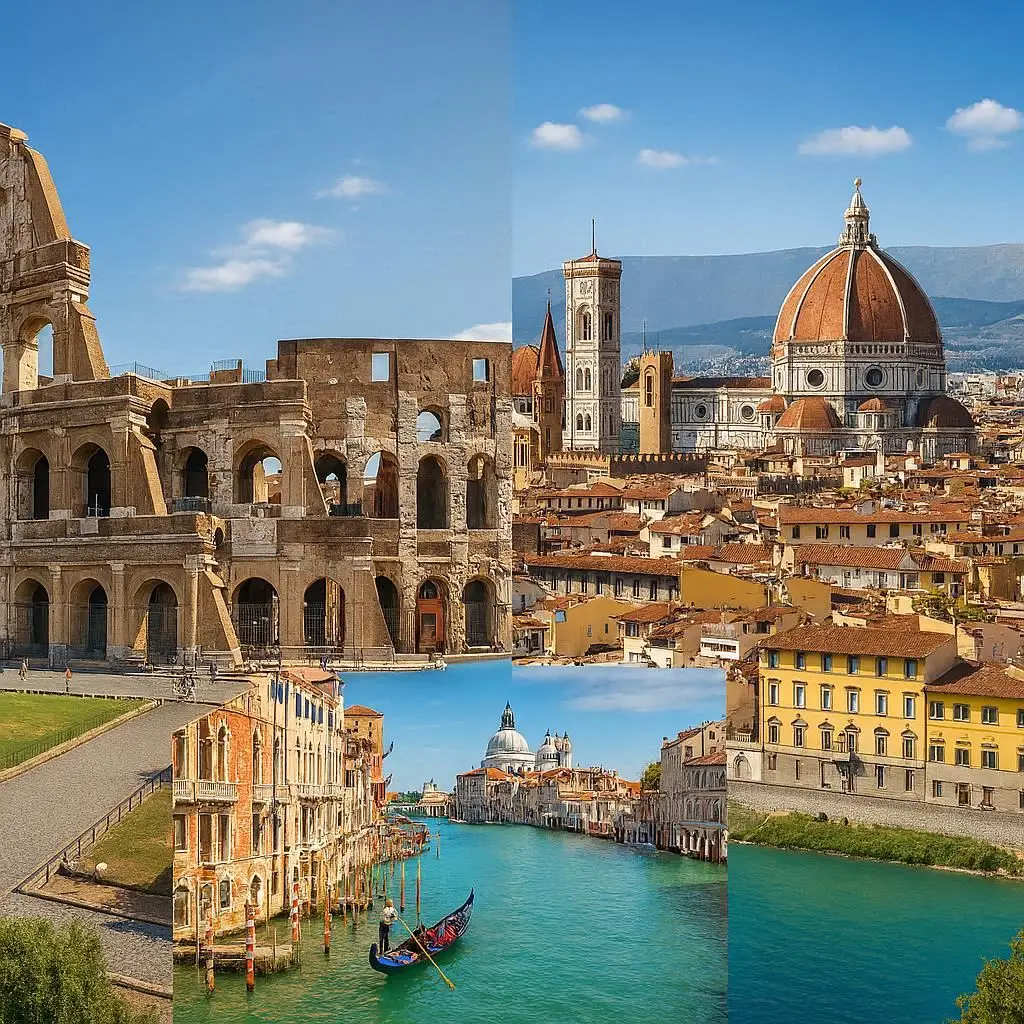
Introduction: Italy Like Never Before
.Welcome to this Italy Travel Guide — a journey to a country that isn’t just a destination, it’s a living storybook. Beyond the iconic landmarks, cobblestone streets, and piazzas filled with tourists, this Italy Travel Guide reveals experiences that only locals know about. Imagine sipping espresso with a gelato master in Florence, wandering secret canals in Venice before sunrise, or tasting a truffle straight from a Tuscan forest.
This guide is designed for first-time travelers who want to explore Italy authentically, blending must-see attractions with hidden gems, insider tips, and real experiences.
Best Time to Visit Italy
Italy’s diverse climate affects your experience in each region:
Spring (April–June)
- Weather: Mild, sunny, ideal for walking tours and countryside exploration.
- Events: Flower festivals in Rome, Venice Art Biennale exhibitions, Easter celebrations.
- Secret Tip: Visit small towns like Orvieto or Civita di Bagnoregio early in the morning to enjoy streets without tourists.
Summer (July–August)
- Weather: Hot and busy in cities, perfect for coastal adventures.
- Must-Do: Cinque Terre and Amalfi Coast for hiking and sea views.
- Local Insight: Attend nighttime local festivals in small towns to see Italian traditions in full swing.
Autumn (September–October)
- Weather: Cooler, foliage is stunning, harvest season begins.
- Highlights: Wine and truffle festivals in Tuscany and Umbria.
- Pro Tip: Join a guided olive oil tasting in Puglia—few tourists know these exist.
Winter (November–March)
- Weather: Quiet cities, festive lights, snowy mountains.
- Activities: Skiing in the Dolomites, Christmas markets in Bolzano, Venice Carnival in February.
- Hidden Gem: Try a quiet gondola ride in winter morning fog—Venice feels magical and almost private.
Entry Requirements & Travel Basics
According to any comprehensive Italy Travel Guide, these are the essentials:
Visa: U.S. citizens stay up to 90 days visa-free (Schengen).
Currency: Euro (€). This Italy Travel Guide recommends carrying cash for small villages.
Language: Italian is dominant; locals appreciate basic phrases: “Buongiorno” (hello), “Grazie” (thank you), “Dove si trova…?” (where is…?).
Connectivity: Rent a pocket Wi-Fi or SIM card for navigation, reservations, and translation.
Transportation in Italy: Beyond the Tourist Map
Navigating the country is simple with this Italy Travel Guide transportation breakdown:
Trains: High-speed (Frecciarossa, Italo) connect Rome, Florence, Milan, and Naples. This Italy Travel Guide suggests using regional trains for Tuscany and smaller towns.
Car Rental: Essential for the Amalfi Coast, Tuscany, and Apulia. Tip: Use small cars for narrow streets.
Public Transport: Metro and buses work well in cities. Multi-day passes save money.
Walking & Biking: Historic centers are pedestrian-friendly. Florence and Siena offer guided bike tours- Insider Tip: Download the Trenitalia app to check real-time train delays and book tickets directly, avoiding third-party fees.
Must-Visit Cities & Unique Experiences
1. Rome: Hidden Corners of the Eternal City
- Neighborhoods: Trastevere—cobblestone streets, artisan gelaterias, local trattorias.
- Aventine Hill Keyhole: Peek through a secret keyhole to frame St. Peter’s Basilica perfectly.
- Testaccio Market: Sample Roman street food like suppli (fried rice balls).
- Local Insight: Sunset at Gianicolo Hill offers panoramic city views without tourists.
- Secret Experience: Join a pasta-making class inside a local Roman home—taste carbonara the Roman way.
2. Florence: Renaissance Meets Local Life
Discovering Florence with this Italy Travel Guide reveals its true artistic soul:
Piazza Santo Spirito: Meet local artists and enjoy authentic Florentine meals.
Giotto’s Campanile: Climb for city views without the crowd of the Duomo.
Boboli Gardens: Find hidden spots for peaceful walks.
Local Tip: Early mornings at Mercato Centrale give access to fresh produce and handmade pasta.
Story Experience: Any Italy Travel Guide would recommend chatting with a gelato master to try unique flavors like Rose Petal and Basil Lemon.
3. Venice: Secret Canals & Morning Mist
- Murano & Burano: Discover “”Murano & Burano Highlights: Marvel at the expertise of traditional glass masters before wandering through streets lined with brilliantly painted homes.
- Quiet Canals: Wake up at 6 am to explore areas like Cannaregio alone.
- Cicchetti Tour: Sip wine and sample Venetian tapas in small local bars.
- Local Experience: Attend a lace-making workshop in Burano, a craft almost forgotten by mass tourism.
- Pro Tip: Skip gondolas in San Marco—try quiet gondolas from hidden docks.
4. Amalfi Coast & Naples: Coastal Charms
- .
Exploring the coastline with this Italy Travel Guide reveals breathtaking views:
“Positano & Amalfi: Stunning cliffside towns characterized by their iconic rows of soft-hued residences
Capri: Blue Grotto, chairlifts, and lesser-known hiking paths.
Naples: The birthplace of pizza; this Italy Travel Guide suggests trying Da Michele or Sorbillo for an authentic taste.
Hidden Beaches: Lido di Furore and Marina di Praia, which remain almost empty even in summer.
Local Tip: Rent a small boat for private swimming spots only locals know.
5. Tuscany Countryside: Beyond the Wine
- Chianti & Montepulciano: Wine tasting at family-run vineyards.
- Siena & San Gimignano: Stroll along charming narrow lanes and take in the historic towers.
- Cooking Classes: Create pasta, sauces, and desserts in a charming farmhouse setting.
- Agriturismo Stays: Live like locals; wake up to farm-fresh breakfast.
- Secret Insight: Visit Volterra for Etruscan ruins and artisan alabaster shops, a gem ignored by most tourists.
6. Milan & Northern Italy
- Duomo di Milano: Rooftop views of Gothic spires.
- Galleria Vittorio Emanuele II: Shopping arcade with local boutiques.
- Lake Como: Day trip for villa tours, lakeside cafes, and hidden trails.
- Bergamo: Medieval old town with narrow streets, excellent views, and authentic cuisine.
- Local Tip: Try polenta dishes in Bergamo for Northern Italy culinary authenticity.
Italian Cuisine: Eat Like a Local
- Rome: Cacio e Pepe, Carbonara, Suppli.
- Naples: Pizza Margherita, Sfogliatella pastry.
- Florence: Bistecca alla Fiorentina, Ribollita soup.
- Venice: Seafood risotto, sarde in saor.
- Tuscany: Fresh pasta, Chianti wines, gelato, and truffles.
- Secret Tip: Ask locals for trattorias hidden in alleyways—they’re often the best food experience.
Cultural Etiquette
Following a proper Italy Travel Guide etiquette ensures a respectful experience:
Greet politely with “Buongiorno” or “Buonasera.”
Dress modestly in churches to respect local traditions.
Avoid loud behavior in public spaces.
Respect queues and personal space.
Tipping is minimal; check if service is included.
Hidden Gem: This Italy Travel Guide suggests participating in local festivals for authentic Italian culture rather than tourist shows
Italy Travel Guide: Living the Italian Lifestyle Beyond Tourism
For many travelers, an Italy Travel Guide begins with famous landmarks—but the true magic of Italy lies in how you live it. Beyond museums and historic sites, the real essence of an Italy Travel Guide is found in daily routines, local habits, and small moments that turn a trip into a meaningful experience.
Morning Culture and Italian Rituals
A deeper Italy Travel Guide experience starts early in the morning. Italians don’t rush their day—they begin with intention. Standing at a local café, sipping espresso while exchanging greetings, is one of the simplest yet most authentic parts of Italy Travel Guide living.
This daily ritual reflects a culture that values presence, something every traveler should embrace while following an Italy Travel Guide.
The Art of Italian Evenings
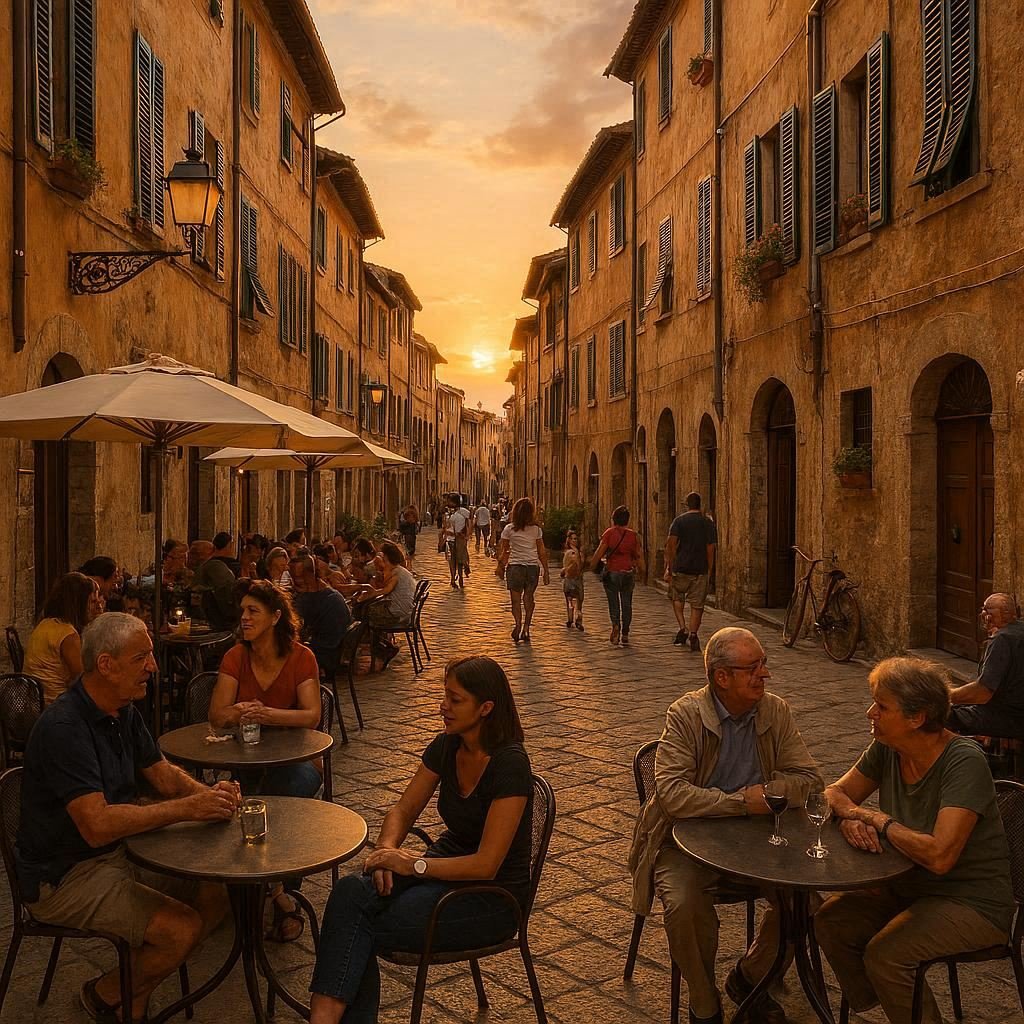
Evenings in Italy are an experience on their own. Any refined Italy Travel Guide highlights the concept of “La Passeggiata”—an evening walk where locals gather, socialize, and enjoy the atmosphere.
Participating in this tradition allows travelers to feel the heartbeat of the city, making their Italy Travel Guide journey more personal and immersive.
Hidden Neighborhoods Worth Exploring
While major attractions draw attention, a true Italy Travel Guide encourages exploring residential neighborhoods. Quiet streets, local bakeries, and family-run shops offer a glimpse into everyday Italian life.
These areas provide a more genuine perspective, enriching your Italy Travel Guide with authenticity and calm away from crowded tourist zones.
Understanding Italian Hospitality
Hospitality is a defining part of any Italy Travel Guide experience. Italians take pride in welcoming visitors, often turning simple interactions into warm conversations.
Whether in a small restaurant or a countryside home, these human connections add emotional value to your Italy Travel Guide journey.
Food as a Cultural Experience
Food in Italy is not just about eating—it’s a cultural ritual. A well-crafted Italy Travel Guide emphasizes taking time to enjoy meals, understand regional flavors, and appreciate traditional preparation methods.
From handmade pasta to local desserts, every dish tells a story that enhances your Italy Travel Guide experience.
Slow Travel and Meaningful Exploration
One of the most important lessons from any Italy Travel Guide is to slow down. Instead of rushing between cities, spending more time in fewer places allows deeper exploration and stronger connections.
This approach transforms your Italy Travel Guide from a checklist into a journey of discovery.
Final Reflection: Italy as a Way of Life
At its core, an Italy Travel Guide is not just about where you go—it’s about how you feel while being there. Italy teaches travelers to appreciate beauty, simplicity, and human connection.
Long after your trip ends, the memories shaped by your Italy Travel Guide will remain, reminding you that travel is about living, not just visiting.
Suggested Image (Cinematic & Realistic)
A cinematic, ultra-realistic shot of an Italian street at sunset, with people walking, outdoor cafés, and warm golden lighting reflecting authentic daily life.
