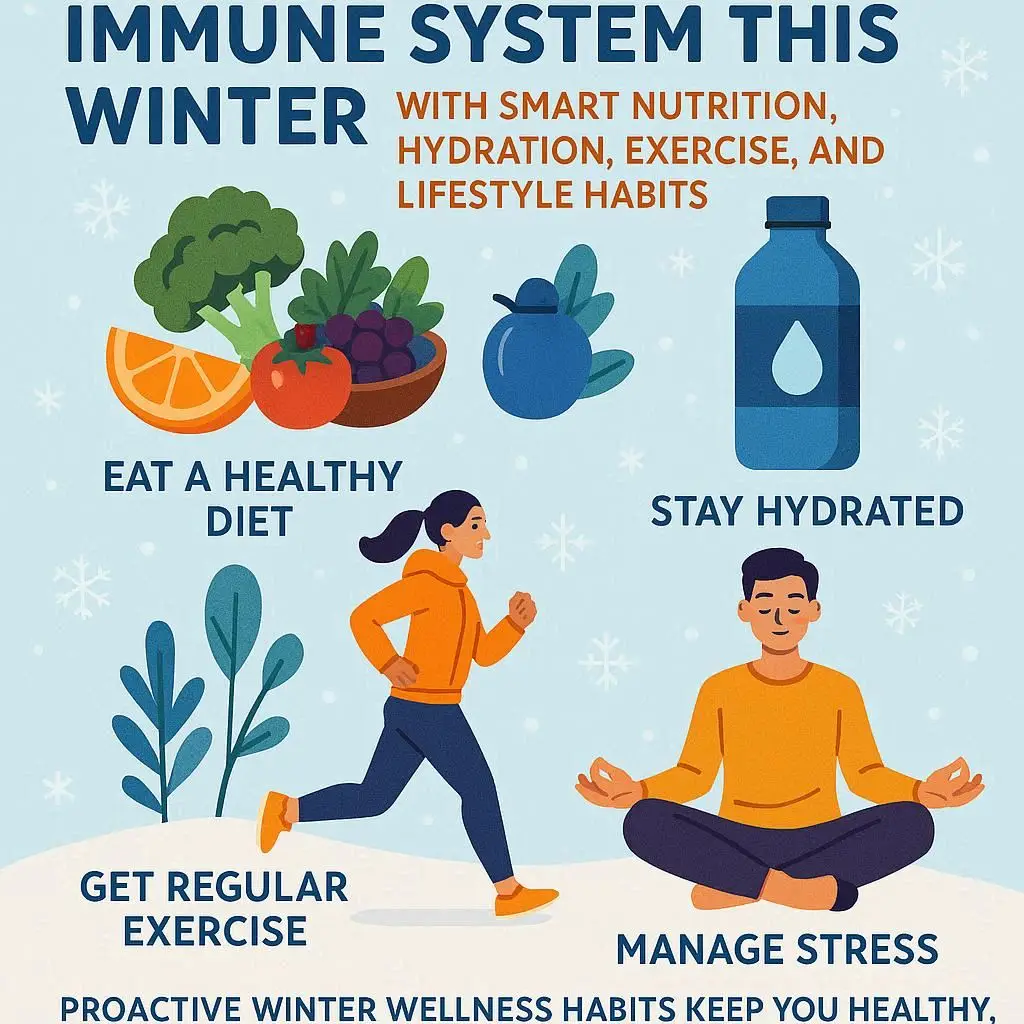
Introduction: The Seasonal Shift and Human Biology
Winter in America is more than a change in weather — it is a full physiological transition for the human body. As daylight hours shrink and temperatures drop, the immune system faces increased pressure. Indoor living becomes more common, air grows drier, and viral transmission accelerates. These environmental shifts place new demands on energy levels, respiratory health, and overall immune resilience.
Understanding how winter affects the body is the first step toward building effective seasonal defenses. With the right habits, nutrition strategies, and lifestyle adjustments, it is possible to not only avoid illness but also maintain peak wellness throughout the coldest months.
Why Does Winter Weaken the Immune System?
Reduced Sunlight and Vitamin D Deficiency
Sunlight plays an essential role in the production of vitamin D. During winter, shorter days limit sun exposure, leading to widespread vitamin D deficiency across the U.S. population. Vitamin D directly influences immune cell activity and inflammatory
Low levels are associated with the following:
- Increased respiratory infections
- Lower immune response speed
- Higher fatigue levels
- Mood disturbances
Supplementation and dietary intake become essential during this period.
Dry Indoor Air and Respiratory Vulnerability
Heating systems dry out indoor air, reducing moisture in nasal passages and airways. This weakens natural mucosal barriers that normally trap viruses and bacteria.
Dry environments allow pathogens to:
- Survive longer in the air
- Spread more easily
- Enter the respiratory tract more efficiently
Using humidifiers and staying hydrated can significantly reduce this risk.
Increased Indoor Crowding
Winter forces people indoors — offices, schools, gyms, and public transport become high-contact environments. Close proximity accelerates virus transmission, especially for flu and common cold strains.
Improving ventilation and practicing proper hygiene are key prevention tools.
The Most Common Winter Illnesses in America
Seasonal Influenza (Flu)
The flu peaks between December and February in the U.S. Symptoms include:
- Fever and chills
- Muscle aches
- Fatigue
- Cough and congestion
Annual vaccination remains the most effective prevention method.
Common Cold
Although milder than flu, colds are highly contagious and persistent during winter months.
Typical symptoms:
- Sore throat
- Runny nose
- Sneezing
- Mild fatigue
Rest and hydration are the primary recovery tools.
Respiratory Infections
Bronchitis, sinus infections, and pneumonia increase in colder months due to weakened respiratory defenses and viral complications.
Seasonal Affective Disorder (SAD)
Mental health also shifts in winter. Less sunlight affects serotonin production and disrupts the circadian rhythm.
Symptoms include:
- Low motivation
- Fatigue
- Mood changes
- Sleep disruption
Light therapy and outdoor activity can help regulate mood.
Building a Winter-Proof Immune System
Nutrition as Your First Defense
Food is one of the strongest immune modulators.
Immune-Boosting Foods
Include these winter staples:
- Citrus fruits (vitamin C)
- Garlic and onions (antiviral compounds)
- Ginger and turmeric (anti-inflammatory properties)
- Leafy greens (micronutrients)
- Yogurt and fermented foods (gut health support)
Maintaining a variety in your diet helps balance gut microbes, which play a role in regulating nearly 70% of your immune system.
Protein Intake and Immune Repair
Antibodies and immune cells rely on amino acids. Winter diets often become carb-heavy and protein-deficient.
High-quality protein sources include:
- Eggs
- Lean poultry
- Fish
- Legumes
- Greek yogurt
Adequate protein accelerates tissue repair and immune response.
Hydration in Cold Weather
Many Americans unintentionally reduce water intake during winter because thirst signals decline in cold temperatures.
Dehydration weakens:
- Circulatory efficiency
- Respiratory lining protection
- Detoxification systems
Aim for consistent fluid intake using:
- Water-rich fruits
- Warm herbal teas
- Soups and broths
Sleep and Immune Performance
Sleep is the most underestimated immune booster.
During deep sleep cycles:
- The body produces infection-fighting cytokines
- Cells regenerate
- Hormones rebalance
Adults should aim for 7–9 hours per night.
Tips for winter sleep optimization:
- Reduce screen exposure before bed
- Maintain consistent sleep schedules
- Keep bedroom temperature cool but comfortable
- Use blackout curtains to regulate circadian rhythm
Physical Activity During Winter
Cold weather reduces physical movement, but inactivity weakens immune circulation.
Moderate exercise improves:
- Blood flow to immune tissues
- Oxygen delivery
- Stress hormone regulation
Best winter activities:
- Indoor strength training
- Yoga and stretching
- Walking outdoors during daylight
- Home workout routines
Avoid overtraining, which can suppress immunity.
Stress Management and Immune Balance
Chronic stress raises cortisol levels, which directly weakens the immune response.
Winter stressors include:
- Holiday financial pressure
- Reduced sunlight exposure
- Seasonal mood shifts
Effective stress control methods:
- Deep breathing exercises
- Meditation
- Journaling
- Limiting news consumption
- Social connection
Mental health stability strengthens physical immunity.
Hygiene Habits That Actually Work
Simple daily habits dramatically reduce infection risk:
- Frequent handwashing (20 seconds minimum)
- Avoid touching face
- Disinfect shared surfaces
- Wash reusable masks and scarves
- Replace toothbrush after illness
Consistency matters more than perfection.
Supplements That Support Winter Immunity
While food remains the foundation, targeted supplementation may help.
Common winter supplements:
- Vitamin D3
- Vitamin C
- Zinc
- Magnesium
- Elderberry extract
Always adhere to dosage instructions and seek advice from healthcare professionals when necessary.
Cold Exposure and Immune Adaptation
Moderate cold exposure may improve circulation and immune resilience.
Safe exposure methods:
- Cold showers (short duration)
- Outdoor walks
- Breathing cold fresh air
Avoid extreme cold stress or prolonged exposure.
Creating a Winter Wellness Routine
Consistency is the secret to long-term health.
Daily routine example:
Morning:
- Hydration
- Light stretching
- Balanced breakfast
Afternoon:
- Movement break
- Protein-rich meal
Evening:
- Relaxation activity
- Limited screen time
- Early bedtime
Small habits compound into major health benefits.
When to Seek Medical Attention
Do not ignore severe symptoms such as:
- Persistent high fever
- Difficulty breathing
- Chest pain
- Severe dehydration
- Prolonged fatigue
Early treatment prevents complications.
Final Thoughts: Thriving, Not Just Surviving Winter
Winter does not have to be a season of weakness. With intentional nutrition, movement, rest, and mental balance, Americans can transform winter into a season of resilience and strength.
Your immune system is not static — it responds daily to lifestyle choices. Each healthy habit builds protective layers that last far beyond cold season.