


- Pet Health and Nutrition are the most critical factors in ensuring your furry friend lives a long, happy, and vibrant life. Starting with consistent medical routines and high-quality Pet Health and Nutrition standards today will protect your pet from future illnesses and keep them full of energy.
Enhancing Pet Health and Nutrition Through Balanced Care
Supporting your pet’s overall well-being is not just about love and attention—it requires a well-rounded approach that combines proper Pet Health and Nutrition with consistent veterinary support. A balanced diet plays a vital role in maintaining energy, strengthening the immune system, and promoting long-term health.
At the same time, routine veterinary visits are essential for early detection of potential health issues and ensuring your pet stays on the right track. By integrating high-quality nutrition with preventive medical care, pet owners can create a strong foundation for a healthier, happier life for their companions.
For more insights on maintaining proper Pet Health and Nutrition, you can explore trusted resources like PetMD.
Increasing evidence shows that a pet’s diet directly affects their behavior, energy levels, and lifespan. That’s why achieving long-term pet wellness is anchored in two main pillars: ongoing medical attention and a nutrient-rich diet customized to their needs.
In today’s world, where pets are cherished as family members, prioritizing their health becomes a reflection of responsible ownership. A proactive blend of preventive care and smart nutritional choices gives pets the foundation they need to thrive.
Medical Exams: The Cornerstone of Pet Health and Nutrition Strategy
Veterinary checkups are essential for early detection and are a core part of long-term Pet Health and Nutrition. These visits include physical examinations and diagnostic tests that support overall Pet Health and Nutrition goals. For instance, annual screenings can identify early-stage kidney issues or diabetes. Furthermore, core vaccinations play a vital role in protecting pets from severe illnesses, helping them stay active, healthy, and full of life through better Pet Health and Nutrition management
Dental care is another crucial component, as oral infections can lead to complications affecting major organs. Regular cleanings and at-home hygiene help maintain both comfort and long-term wellness.
Still, no medical approach is complete without the support of proper nutrition.
Balanced Pet Health and Nutrition: The Key to Vitality
,hen prioritizing Pet Health and Nutrition, owners see better results many owners overlook the importance of a balanced diet.A well-balanced food regimen for puppies is vital for strengthening their immune system and maintaining consistent energy levels. Pets need a nutritional combination of:
- Proteins: Essential for repairing body tissues and supporting key metabolic functions.
- Fats: Provide vital energy and contribute to healthy brain development.
- Carbohydrates: For daily activity and stamina.
- Vitamins and Minerals: For regulatory and structural support.
Failing to prioritize Pet Health and Nutrition can lead to dull coats, low energy, digestive trouble, and behavioral problems. Research shows that pets with consistent, high-quality Pet Health and Nutrition standards live longer, have better moods, and show fewer signs of disease. For instance, Omega-3 fatty acids are linked to calmer behavior and sharper cognitive function, while processed foods filled with artificial additives may lead to hyperactivity or sluggishness
Top Factors That Influence Pet Health
- Veterinary Oversight: Enables early intervention and individualized treatment.
- Proper Nutrition: Builds immunity, supports healthy weight, and improves quality of life.
- Hydration: Clean, fresh water is vital for digestion, organ health, and temperature regulation.
- Mental and Physical Activity: Exercise and enrichment prevent obesity and reduce anxiety.
- Safe Living Environment: Clean surroundings minimize exposure to allergens, toxins, and injury.
Customizing nutrition and activity according to a pet’s size, age, and health status can dramatically boost overall wellness. Consulting a veterinary nutritionist can help tailor plans for pets with allergies, sensitivities, or chronic conditions.
Early Warning Signs: How to Spot Illness in Pets
Paying close attention to even the slightest changes in your puppy’s behavior is a key part of maintaining proper Pet Health and Nutrition. Pets often hide pain or discomfort, so early detection relies on close daily observation and a solid understanding of Pet Health and Nutrition standards. Ultimately, noticing these small shifts can be crucial—and may protect their life.
Common warning signs include:
- Noticeable weight changes over short periods.
- Vomiting, constipation, or frequent diarrhea.
- Increased thirst or urination.
- Withdrawal, irritability, or unusual aggression.
- Wheezing, coughing, or labored breathing.
- Persistent scratching, hair loss, or excessive licking.
Conclusion: The Path to Lifelong Pet Wellness
The road to ensuring your pet’s well-being is not a single action—it’s a continuous commitment. Throughout this article, we’ve highlighted how veterinary care, balanced nutrition, and early detection work together to build a healthier, more joyful life for pets.
Each choice—from choosing the right food to scheduling annual exams—forms a link in a chain of care. When you invest in those small details, you extend not just the years of your pet’s life, but the quality of each day you share with them.
Providing quality care is a continuous journey that requires both knowledge and dedication. In short, your care shapes their future. There’s hardly anything more fulfilling than witnessing your pet flourish as a result of the daily attention you provide. By understanding Pet Health and Nutrition, you gain the ability to spot early warning signs and take action before small issues become big problems. Ultimately, your proactive approach is the greatest gift you can give to your loyal companion
Frequently Asked Questions (FAQ)
How Many Vet Check‑Ups Does Your Pet Really Need? A Practical Pet Care Guide Once a year is ideal for healthy pets. Senior animals or those with chronic issues may need semi-annual visits or more frequent monitoring.
What nutrients should be in my pet’s diet? A proper diet includes quality proteins, healthy fats, complex carbohydrates, vitamins (A, D, E, K), minerals (like calcium and zinc), and fiber to support digestion.
How do I recognize if my pet is unwell? Look for changes in appetite, behavior, grooming habits, or bathroom patterns. Lethargy, vomiting, or excessive scratching are clear red flags.
Why are vaccinations essential? Vaccinations prevent serious infectious diseases and minimize the spread of illnesses within households and communities.
What makes a diet “balanced” for pets? Avoid artificial preservatives and by-products. Look for whole ingredients and verify that the formula fits your pet’s species, size, and lifestyle.
Can food impact my pet’s behavior? Yes. Lack of nutrition can cause fatigue, anxiety, or aggression. A nutrient-rich diet supports mental clarity and emotional stability.
How Much Water Does Your Pet Really Need Each Day? About one ounce for every pound of body weightAlways keep a clean bowl available, especially in warm weather or after play.
Final Thoughts
Investing in Pet Health and Nutrition today means more happy years with your beloved pets. By focusing on consistent Pet Health and Nutrition standards, you are taking the proactive steps necessary to ensure your furry friends stay vibrant, energetic, and healthy for a long time
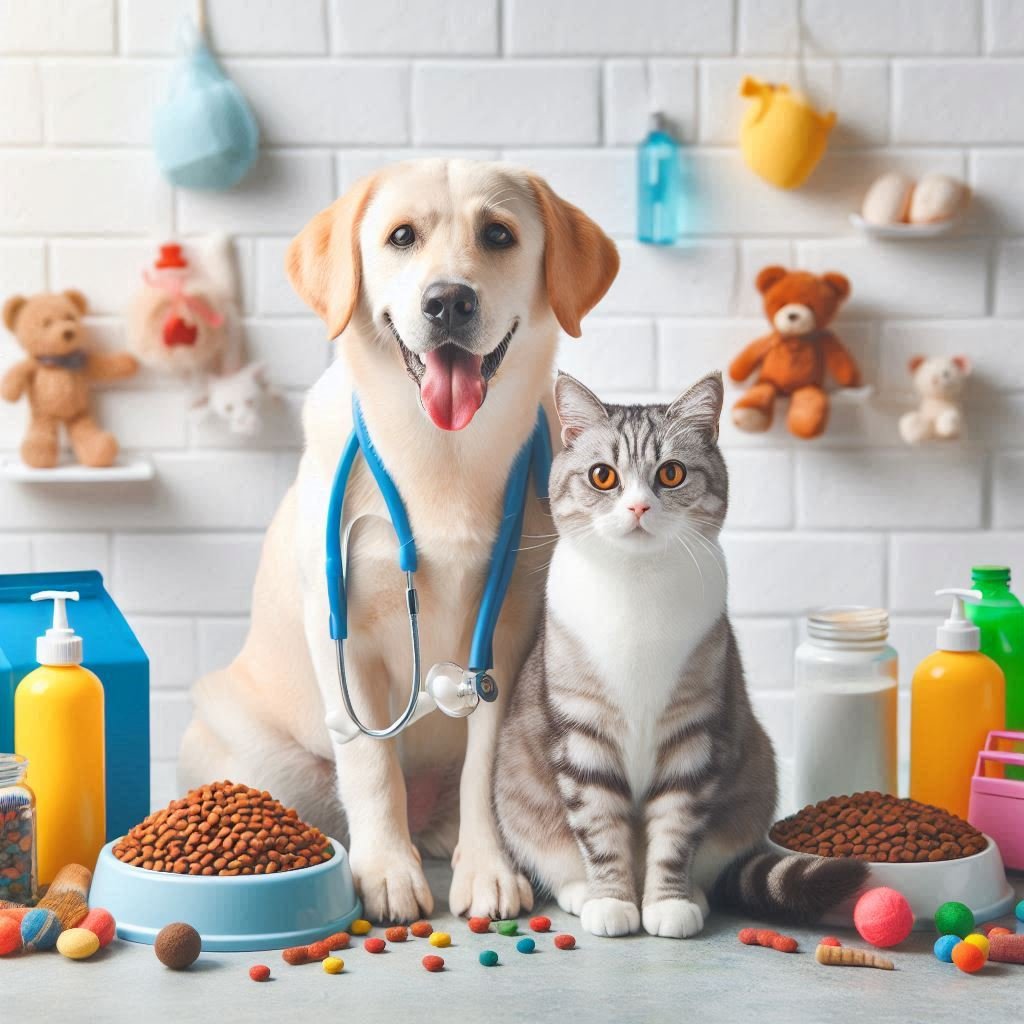
Happy pets enjoying a balanced lifestyle that supports Pet Health and Nutrition
Smart Lifestyle Habits to Improve Pet Health and Nutrition Daily
Creating a healthy lifestyle for your pet goes beyond food and vet visits. True Pet Health and Nutrition depends on consistent daily habits that support both physical and emotional well-being. Small routines, when done correctly, can make a significant difference in your pet’s overall quality of life.
One of the most overlooked aspects of Pet Health and Nutrition is consistency. Feeding your pet at the same time every day helps regulate digestion and maintain stable energy levels. Structured routines also reduce stress, which directly impacts Pet Health and Nutrition in a positive way.
The Role of Daily Activity
Exercise is a vital extension of proper Pet Health and Nutrition. Active pets are less likely to develop obesity, joint problems, or behavioral issues. Whether it’s daily walks for dogs or interactive indoor play for cats, movement supports heart health and strengthens muscles, making it a core part of Pet Health and Nutrition strategies.
In addition, regular activity improves mental stimulation. A well-exercised pet is calmer, happier, and more balanced, reinforcing the connection between behavior and Pet Health and Nutrition.
Sleep and Recovery Matter
Quality rest is just as important as diet when it comes to Pet Health and Nutrition. Pets need a quiet, comfortable space to sleep and recharge. Poor sleep can lead to stress, weakened immunity, and reduced energy levels, all of which negatively affect Pet Health and Nutrition over time.
Ensuring your pet has a stable sleep routine enhances recovery and supports long-term wellness through better Pet Health and Nutrition balance.
Hygiene and Clean Living Spaces
Clean environments play a crucial role in maintaining Pet Health and Nutrition. Regular cleaning of food bowls, bedding, and living areas helps prevent bacteria buildup and reduces the risk of infections. Hygiene is often underestimated, yet it is a fundamental pillar of strong Pet Health and Nutrition practices.
Grooming also contributes significantly. Brushing fur, cleaning ears, and maintaining skin health all support external wellness, which reflects internally through improved Pet Health and Nutrition.
Emotional Bond and Stress Reduction
A strong bond between pets and owners enhances Pet Health and Nutrition more than many realize. Pets that feel safe and loved experience lower stress levels, which directly impacts digestion, immunity, and overall health.
Spending quality time with your pet—whether through play, training, or simple affection—strengthens emotional stability and reinforces healthy Pet Health and Nutrition patterns.
Consistency is the Key to Long-Term Success
Maintaining long-term Pet Health and Nutrition is not about occasional effort—it’s about daily commitment. Consistency in feeding, exercise, hygiene, and emotional care creates a stable environment where pets can truly thrive.
When all these elements work together, Pet Health and Nutrition becomes a natural outcome rather than a challenge. By focusing on small, daily improvements, you ensure your pet enjoys a healthier, more active, and fulfilling life.