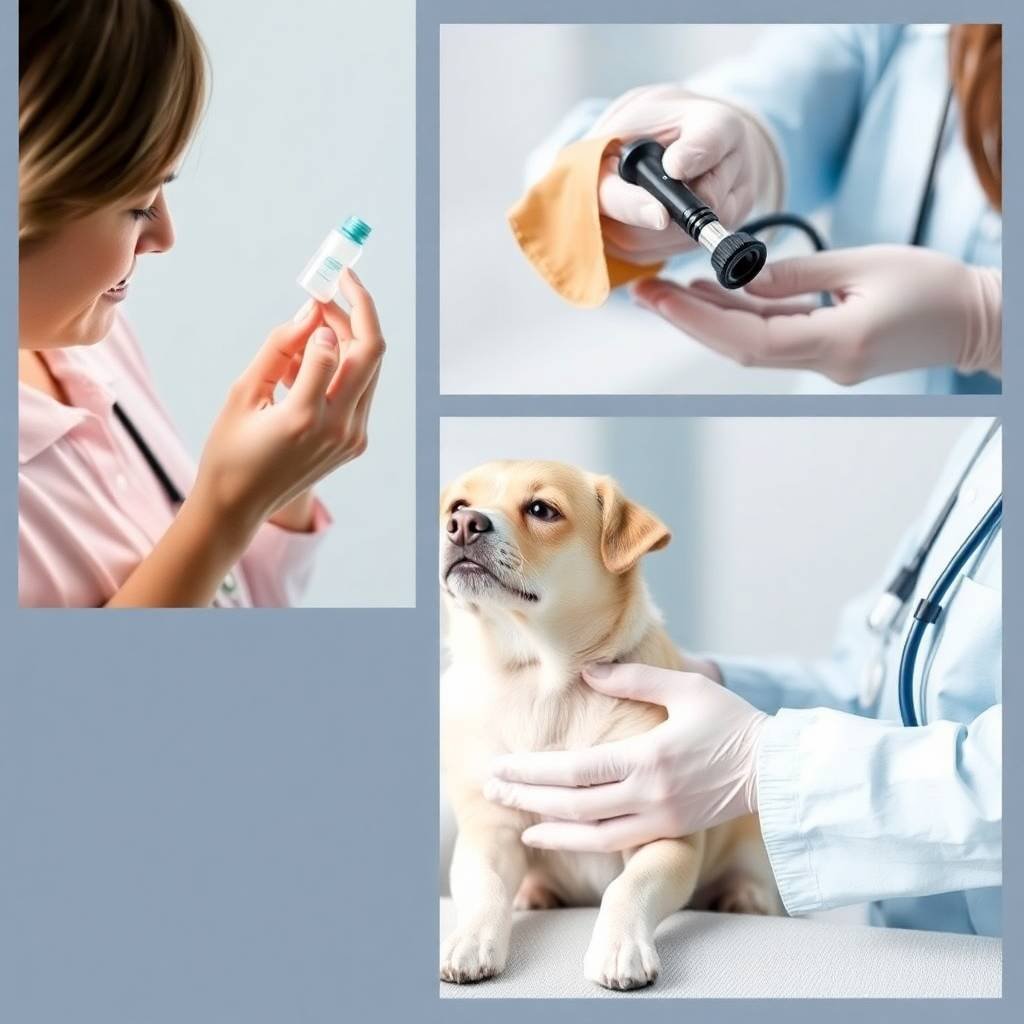


The Ultimate Guide to Pet Healthcare: Ensuring Your Pets’ Happiness and Health
,
Effective Pet Healthcare starts with understanding your pet’s needs. Whether it’s the enthusiastic tail wag of your dog or the soft purring of your cat, providing proper care is a responsibility that rewards both pet and owner only to be welcomed by your dog’s excited tail wag or your cat’s gentle purr. That joyful moment captures the essence of why our pets mean so much—they offer comfort, connection, and unconditional love. But just like us, pets need proper care and nourishment to live long, vibrant lives. Providing your furry companions with essential healthcare and proper nutrition is not just an option—it’s a responsibility thatIt’s a responsibility that rewards both pet and owner, making Pet Healthcare your top priority. and owner. In this comprehensive guide, we’ll explore how maintaining regular veterinary checkups, offering a balanced diet, and staying aware of your pet’s unique needs can dramatically improve their well-being.
Why Pet Healthcare Matters More Than Ever
In the realm of pet health, proactive care is a long way more effective than reactive treatment. Booking normal appointments with the veterinarian helps capture rising health concerns early, preventing them from growing into serious issues. These visits are crucial for maintaining vaccinations, controlling parasites, and monitoring your pet’s physical development. Even seemingly healthy pets benefit from annual exams, as many conditions remain hidden without professional assessment.
As part of comprehensive Pet Healthcare, veterinarians also offer guidance on grooming and dental care. guidance on grooming, dental care, and age-related concerns. Regular dental cleanings, for example, prevent gum disease—a condition that can lead to severe infections or even impact internal organs if left untreated.
:Key Pet Healthcare Preventative Measures
- Immunizations—Protect your hairy buddy from life-threatening ailments, along with rabies and parvovirus, through well-timed vaccinations.
- Parasite Management—Prevent the transmission of dangerous infections with the aid of controlling fleas, ticks, and intestinal worms.
- Dental Care—Regular dental reviews are critical for keeping your dog’s oral fitness, gambling a key function of their basic well-being and excellence of life.
- Senior Pet Monitoring—Older pets require special attention to manage joint pain, organ health, and weight.
The Power of Nutrition: Fueling Your Pet’s Body and Mind
Nutrition is the Nutrition is the foundation of health and a core pillar of effective Pet Healthcare for both humans and animals. A well-balanced diet supports everything from immune strength to mental alertness. The right combination of protein, fats, vitamins, and carbohydrates helps pets stay energetic, maintain a healthy weight, and avoid chronic diseases.
Each pet is unique. Your pet’s dietary desires ought to be formed by several vital factors, such as their breed, age, daily interest, and any pre-current health issues, to make certain they receive the right nutrition for most efficient health. While dry kibble is convenient and budget-friendly, wet food may offer better hydration, and raw diets, when prepared correctly, can support natural digestion. The key is to choose high-quality, vet-approved options.
Nutritional Tips for Better Pet Healthcare for Pet Owners:
- Protein Sources: Select meals that listing precise protein sources—which include chicken, pork, or fish—as the primary elements.
- Avoid Fillers: Steer clear of substances like corn, soy, and animal by-products, as they make a minimal contribution to nutritional advantages in your pet’s weight loss plan.
- Age-Appropriate: Customize feeding workouts based on age—younger pets like puppies and kittens need a higher calorie consumption compared to older animals.
- Control Portions: Overfeeding leads to obesity and joint issues.
Hydration: The Overlooked Lifeline in Pet Healthcare
Water is just as vital as food. Our pets have to constantly have access to smooth and fresh water, as proper hydration is vital for keeping body temperature, aiding digestion, and ensuring the smooth operation of essential organs. A simple rule to follow: pets generally need around one ounce of water per pound of body weight daily.
Pay attention to changes in drinking habits. Increased thirst may signal underlying health conditions like diabetes or kidney disease, while decreased consumption could lead to dehydration, especially in hot weather.
Regular Vet Checkups:Regular Vet Checkups: Building a Long-Term Pet Healthcare Strategy
Veterinary visits shouldn’t be reserved for emergencies. Conversely, diets rich in omega-3 fatty acids, essential amino acids, and herbal antioxidants can enhance cognitive function, promote healthier behavior, and be a valuable resource in reducing inflammation throughout the body. For puppies and kittens, visits every few weeks are essential during the first few months. For healthy adult pets, an annual checkup usually suffices, while senior animals may need biannual monitoring.
During these visits, expect the vet to:
- Check weight and body condition.
- Examine eyes, ears, teeth, and coat.
- Review your pet’s behavior and dietary habits.
- Administer any necessary boosters or vaccines.
Understanding Behavioral Health Through Diet
A pet’s mood and behavior are deeply connected to what they eat. Nutrient deficiencies can lead to irritability, anxiety, or fatigue. Conversely, diets plentiful in omega-3 fatty acids, important amino acids, and herbal antioxidants can enhance cognitive fitness, inspire more comfortable behavior, and aid in decreasing irritation at some point in the frame.
For instance:
- Omega-3s: Found in fish oil support cognitive clarity.
- Probiotics: Aid digestion and reduce gastrointestinal stress.
- .B vitamins: Support mood balance and help lower anxiety levels.
A Holistic Approach: Mind, Body, and Routine
Great pet care is about more than vet appointments and diet—it’s about creating a structured, enriching lifestyle. Pets thrive on routine and emotional engagement. Consider these practices:
- Daily walks or play sessions to stimulate both body and mind.
- Interactive toys to ward off boredom.
- Training sessions to boost confidence and communication.
Final Thoughts: Committing to a Healthier Future for Your Pet
Our pets give us endless joy, loyalty, and love. In return, they deserve thoughtful care, from nutritious meals to routine medical visits. Prioritizing pet healthcare and nutrition isn’t just about adding years to their lives—it’s about .It’s about adding life to their years through dedicated Pet Healthcare and love.
When you stay knowledgeable, pay keen interest on your puppy’s conduct, and maintain a strong partnership with your vet, you empower yourself to make smart decisions that assist your puppy’s long-term fitness and happiness.
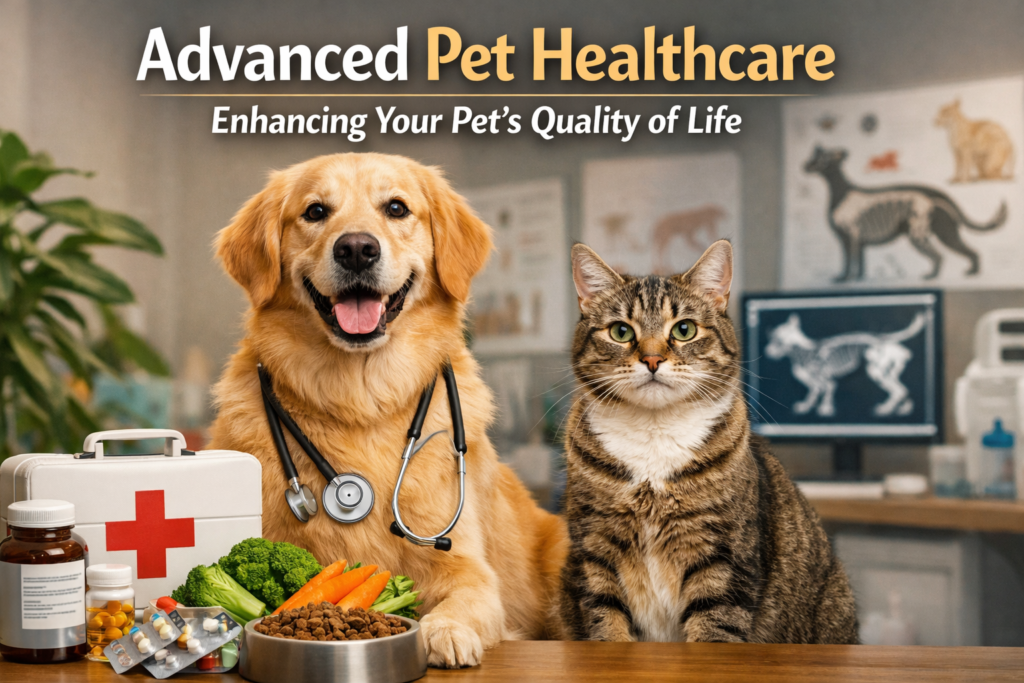
Pet Healthcare is essential for ensuring your furry friends live a long, healthy, and happy life. Providing proper nutrition, regular veterinary check-ups, and attention to mental and physical well-being helps prevent illnesses and strengthens the bond between pets and their owners. By understanding the unique needs of each animal, you can create a safe and nurturing environment that promotes overall wellness. Regular exercise, preventive care, and love are key components of comprehensive pet healthcare.
Advanced Pet Healthcare Strategies: Enhancing Your Pet’s Quality of Life
Once you’ve established the basics of pet care, the next step is taking your pet’s health to the next level. Advanced Pet Healthcare focuses not only on preventing disease but also on improving your pet’s overall quality of life, longevity, and happiness. By understanding subtle health indicators, adjusting lifestyle habits, and integrating preventive measures, you can create a thriving environment for your furry companion.
Monitoring Subtle Health Indicators
Pets cannot verbally express discomfort, so being attentive to subtle changes is crucial. Look out for:
- Behavioral Shifts: Sudden aggression, withdrawal, or changes in social interaction may indicate stress, pain, or underlying illness.
- Appetite Changes: Reduced appetite or excessive eating can point to digestive issues, metabolic disorders, or dental pain.
- Mobility and Activity: Hesitation to jump, climb, or walk may signal joint pain or early arthritis, especially in aging pets.
- Coat and Skin Condition: Dull fur, excessive shedding, or persistent scratching can reveal nutritional deficiencies, allergies, or parasite infestations.
Consistent observation and timely documentation of these changes empower you to provide your veterinarian with accurate insights, facilitating early detection and treatment.
Mental Stimulation and Emotional Health
Pet Healthcare extends beyond physical health. Cognitive and emotional well-being play a significant role in overall vitality. Pets benefit from:
- Interactive Play: Puzzle feeders, treat-dispensing toys, and training games challenge the mind and prevent boredom.
- Social Interaction: Regular engagement with humans or other pets supports emotional stability and reduces anxiety.
- Routine: Predictable daily schedules provide security, especially for pets with high anxiety levels.
Mental enrichment reduces stress-related behaviors such as destructive chewing, excessive vocalization, or aggression, which directly contributes to a healthier, happier pet.
Exercise and Weight Management
Obesity is a growing concern in pets, increasing the risk of diabetes, heart disease, and joint issues. Incorporating regular physical activity into your pet’s routine is essential:
- Dogs: Daily walks, fetch, or agility training.
- Cats: Interactive play with wand toys, laser pointers, or climbing structures.
- Small Pets: Opportunities for movement within a safe and stimulating environment.
Coupling exercise with portion-controlled feeding ensures your pet maintains an ideal body weight, supporting longevity and reducing preventable illnesses.
Advanced Nutrition Strategies
While basic nutrition provides the foundation, advanced Pet Healthcare considers supplementation and diet customization:
- Functional Foods: Diets enriched with omega fatty acids, antioxidants, and probiotics support immune function, cognitive health, and digestive stability.
- Life Stage Nutrition: Puppies, kittens, adult, and senior pets have distinct requirements. Tailoring nutrient levels ensures optimal growth, maintenance, and aging.
- Specialized Diets: Pets with allergies, kidney disease, or gastrointestinal issues benefit from veterinarian-recommended formulas to manage health conditions proactively.
Holistic Preventive Care
Integrating holistic strategies enhances traditional Pet Healthcare practices:
- Regular Dental Care: Beyond brushing, dental chews or professional cleanings prevent systemic infections linked to oral disease.
- Parasite Control: Year-round preventive treatments guard against internal and external parasites, improving overall comfort and longevity.
- Vaccination Updates: Timely boosters tailored to your pet’s lifestyle and environment maintain optimal immunity.
Building a Strong Pet-Owner Partnership
Effective Pet Healthcare is a collaborative effort. Maintaining open communication with your veterinarian ensures that emerging concerns are addressed promptly. Educating yourself about breed-specific tendencies, common health risks, and preventive measures strengthens this partnership, empowering you to make informed decisions.
Conclusion
Advanced Pet Healthcare is about fostering an environment where pets not only survive but thrive. By combining careful observation, mental enrichment, tailored nutrition, physical activity, and proactive veterinary care, you can enhance your pet’s health, happiness, and lifespan. Your dedication transforms daily care routines into a lifelong commitment to your pet’s well-being, creating a bond grounded in love, trust, and mutual respect.