
Why the Role of Herbs in Maintaining Body Health is Gaining Ground
Key Takeaways
- Herbs had been used for hundreds of years to promote standard fitness.
- Natural herbal treatments are getting an increasing number of favors for their tested blessings and coffee danger of negative results.
- A developing frame of studies supports the advantageous effect of the use of herbs as part of everyday well-being practices.
- Understanding the origins of herbal medicine can enhance appreciation for its role in modern wellness.
- The renewed focus on natural healing signifies a rising shift toward comprehensive and holistic wellness practices.
Introduction to Herbs and Body Health
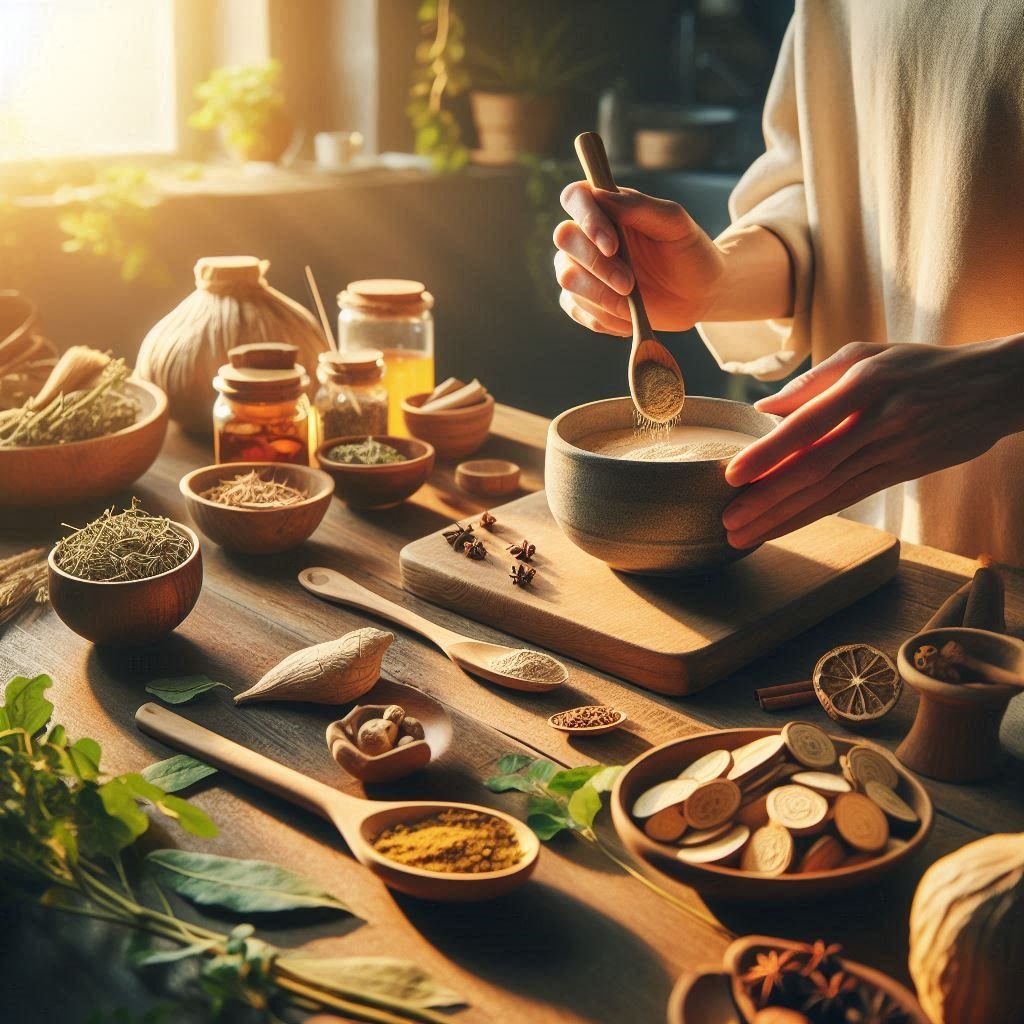
For centuries, herbs have been precious for their recovery homes and their natural position in helping health and well-being. Their use in traditional and modern medicine highlights the significance of natural herbs in promoting health and wellness. Various cultures around the world have relied on herbs for natural therapy, showcasing their broad therapeutic potentials.
Herbs certainly comprise precious compounds like antioxidants and plant-based phytochemicals that Many plants contribute to health-boosting properties, especially when choosing the right natural herbs for blood circulation. These natural plant compounds are important in helping ordinary health and improving standard well-being. Phytochemicals contribute to many benefits of medicinal herbs, and using natural herbs for blood circulation offers health benefits that are both significant and diverse. Antioxidants, found in many of these herbs, assist in combating oxidative stress and inflammation, thus enhancing the body’s natural defenses and overall vitality in 2026.
The Benefits of Natural Herbs for Blood Circulation
The continued exploration of natural herbs has led to the discovery of numerous applications in health maintenance. As awareness of the benefits of natural remedies grows, more individuals seek to incorporate herbs into their daily routines, ultimately embracing a lifestyle that leverages the healing power of nature.
The Origins of Herbal Medicine
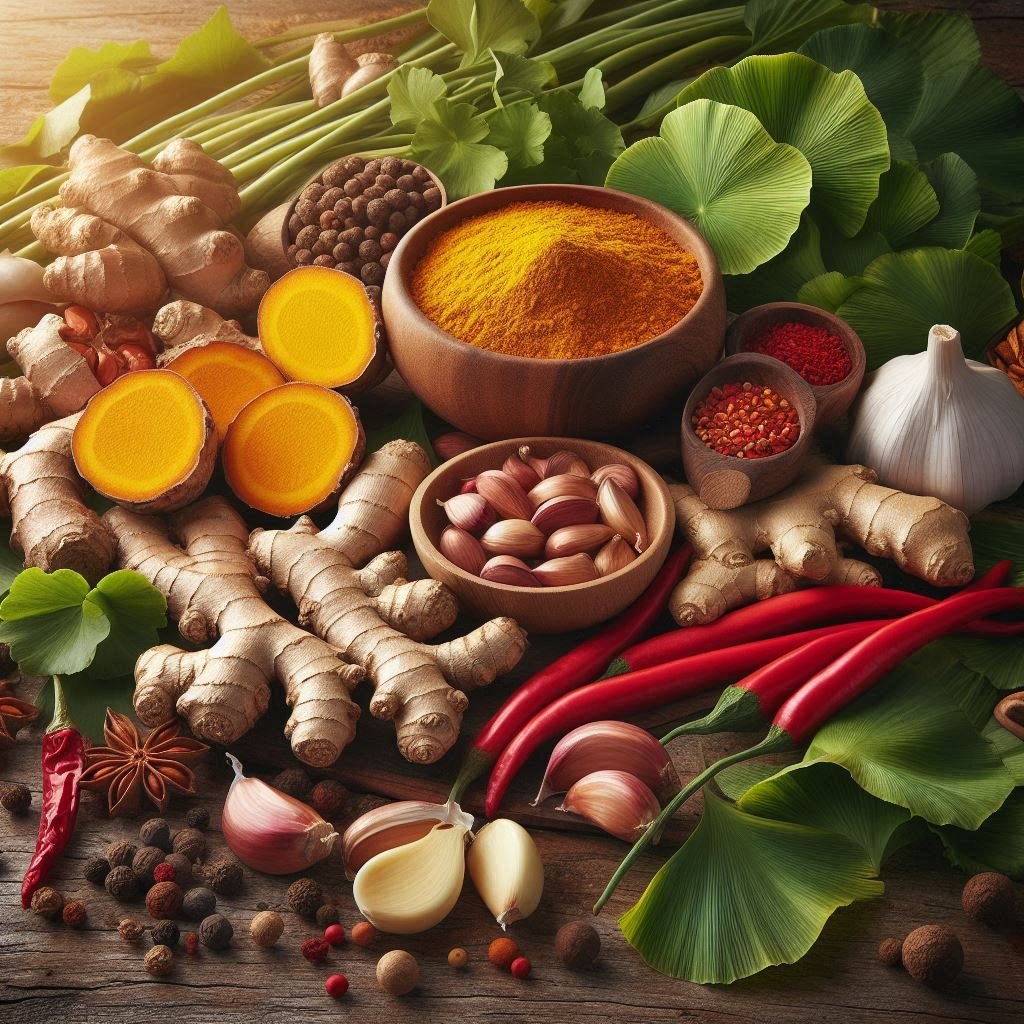
Herbal medication has been used for millennia, playing a vital position in the healing traditions of ancient cultures. The Egyptians, for instance, utilized natural herbs for blood circulation like garlic and myrrh in their treatments. In China, herbal remedies have been a cornerstone of Traditional Chinese Medicine (TCM), where many natural herbs continue to impact medical practices today. The foundation of Ayurvedic medicine in India also showcases a rich tradition focused on the holistic use of natural herbs for blood circulation. Throughout history, figures such as Dioscorides laid the groundwork for understanding the therapeutic properties of these plants. These historical roots established a lasting impact on how people worldwide view natural herbal therapy in 2026.
The Impact of Herbal Herbs on the Body
As we explore the historical context, it becomes clear that the significance of herbs extends beyond their medicinal use. They symbolize a connection to nature and a holistic approach to health that resonates with modern practices.
This deep history highlights the enduring relevance of herbal medicine in contemporary health and wellness, bringing ancient knowledge to modern society.
Understanding Natural Herbs for Blood Circulation Benefits
Herbs provide a wealth of natural benefits that support holistic health and enhance overall wellness. Various herbs have been recognized for their specific health benefits, particularly in enhancingimmune function and promoting digestive health.
A deeper understanding of these benefits reveals the powerful impact of herbs on health.
The Role of Herbs in Maintaining Body Health and Immune Function
.Herbs like echinacea are widely recognized for supporting immune health This herb has been appreciably studied and proven to decorate the body’s resistance to infections.
Research indicates that echinacea can boost the body’s defense system by enhancing white blood cell production, essential for combating harmful viruses and bacteria. Regular consumption may be an effective strategy for preventing illnesses, particularly during cold and flu seasons
Herbs for Digestive Health
Proper digestion is vital for overall health, and certain natural herbs for blood circulation also provide significant relief for the digestive system. For instance, peppermint is celebrated for its soothing effects on the gastrointestinal tract. Studies suggest that peppermint can alleviate symptoms of indigestion and bloating, making it a go-to remedy. Additionally, using natural herbs for blood circulation like ginger has been shown to reduce nausea and improve digestive processes. Adding these natural herbs to your everyday routine in 2026 can significantly improve digestive ease and ordinary intestinal consolation.
Herbs and Their Effective Role in the Health of the Body
Herbs have long played a significant role in traditional medicine across various cultures, especially in Arab communities. Herbs play an effective role in the health of the body, with many varieties utilized for their healing properties.
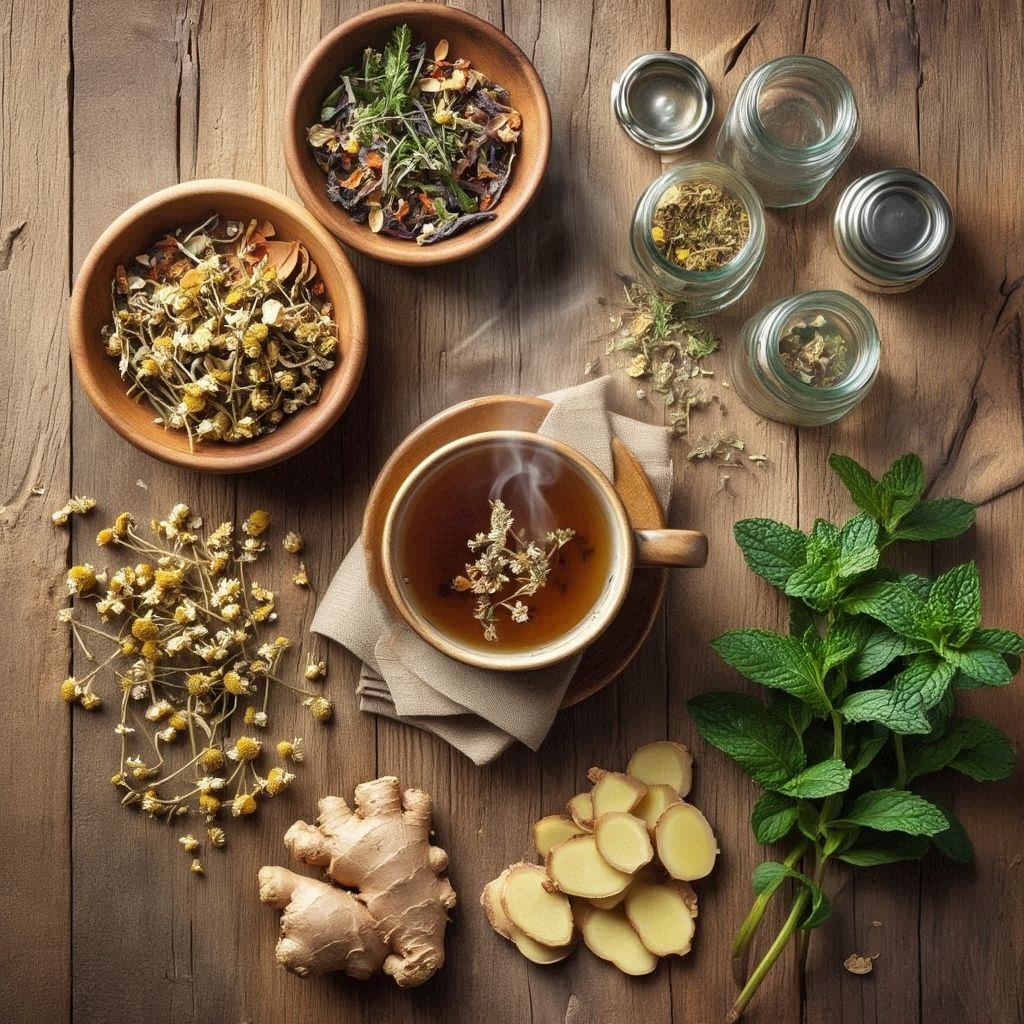
These plants provide a natural approach to promoting overall well-being and are integral in daily health practices, especially when using natural herbs for blood circulation. Popular herbs such as mint and chamomile not only enhance flavors in cuisine but also serve essential functions. For instance, peppermint is broadly recognized for its ability to ease digestive discomfort, while also being one of the most effective natural herbs for blood circulation and heart health. Such plants are celebrated for their benefits as natural herbs, reinforcing a deep connection between nature and health in 2026.
Daily Habits to Maximize the Benefits of natural herbs for blood circulation
Incorporating herbs into your routine is only the first step toward better health. To truly unlock the full potential of natural herbs for blood circulation, it’s important to build consistent daily habits that support their effectiveness. When combined with a balanced lifestyle, these herbs can significantly enhance overall wellness and vitality.
One essential factor in improving the results of natural herbs for blood circulation is consistency. Taking herbs occasionally may provide temporary benefits, but regular use helps the body adapt and respond more effectively. Establishing a daily routine ensures that natural herbs for blood circulation work in harmony with your body’s natural processes.
Combining Herbs with a Healthy Lifestyle
Natural herbs that improve circulation work best when combined with healthy lifestyle habits. Regular physical activity, such as walking or light exercise, helps improve blood flow and enhances the impact of natural herbs for blood circulation. Physical activity boosts circulation, enhancing the benefits of herbal support.
Hydration is another key element. Drinking enough water allows nutrients from natural herbs for blood circulation to be properly absorbed and distributed throughout the body. Without adequate hydration, the benefits of these herbs may not reach their full potential.
Choosing the Right Preparation Methods
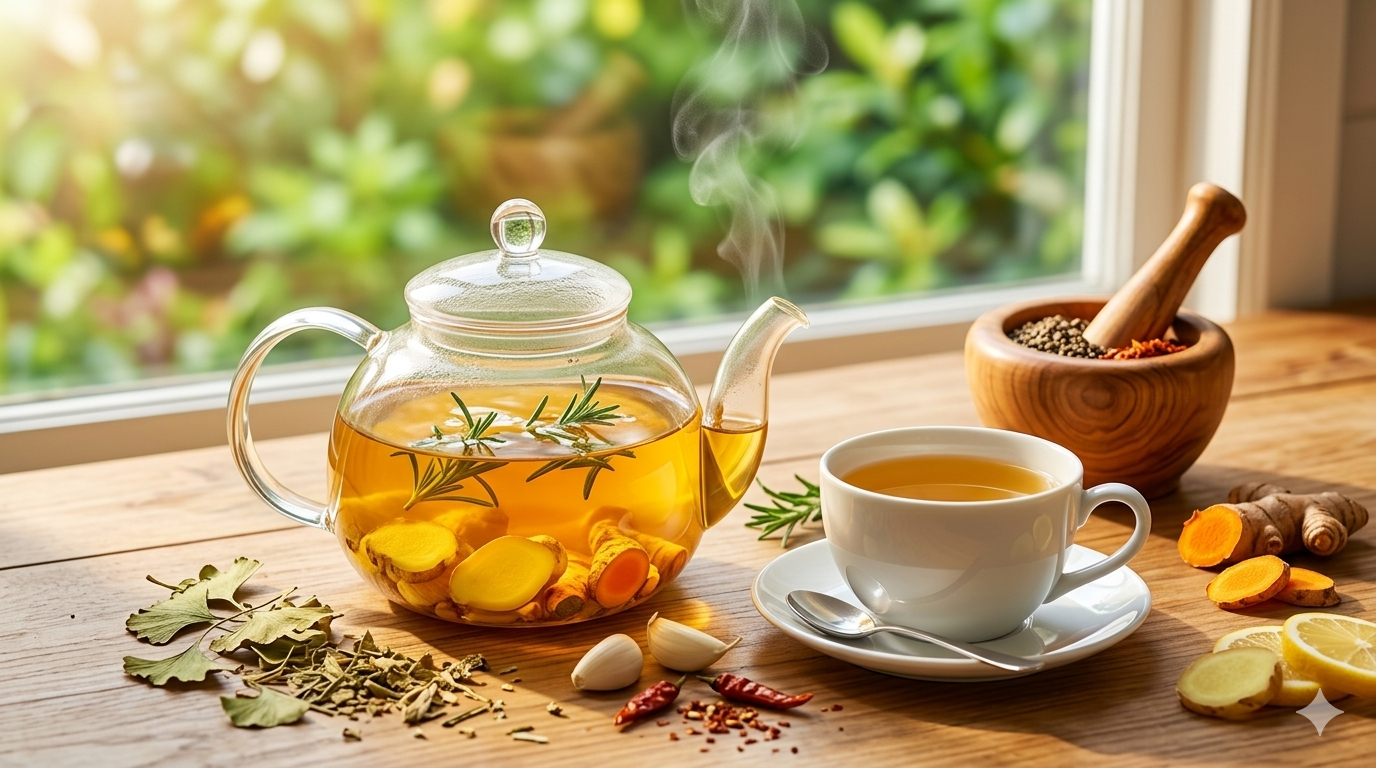
How you consume natural herbs for blood circulation can also influence their effectiveness. Herbal teas, capsules, and fresh ingredients each offer unique advantages. For example, teas provide gentle absorption, while concentrated extracts may deliver faster results. Selecting the right form ensures you get the most out of natural herbs for blood circulation.
Additionally, combining different herbs can create a synergistic effect. Certain blends of natural herbs for blood circulation work better together, enhancing their overall benefits and supporting multiple aspects of health simultaneously.
Supporting Long-Term Circulatory Health
Long-term use of natural herbs for blood circulation can contribute to sustained improvements in energy levels and cardiovascular function. Over time, consistent use helps maintain smoother blood flow, reduce fatigue, and promote a sense of balance within the body. However, it’s essential to observe your body’s reaction. Even though natural herbs for blood circulation are natural, individual reactions may vary. Paying attention to your body ensures safe and effective use over time.
Creating a Balanced Routine
Building a routine that includes natural herbs for blood circulation doesn’t have to be complicated. Simple steps like adding herbal teas to your morning or evening schedule can make a big difference. Over time, these small habits become part of a sustainable wellness lifestyle centered around natural herbs for blood circulation.
Combining herbs with nutritious foods, proper rest, and stress management creates a powerful foundation for better health. When all these elements come together, natural herbs for blood circulation become a key part of a holistic approach to well-being.
Conclusion
Achieving optimal health requires consistency, awareness, and balance. By integrating natural herbs for blood circulation into your daily routine and supporting them with healthy lifestyle choices, you can enhance your body’s natural ability to function efficiently. Over time, this approach leads to improved energy, better circulation, and a more vibrant life.
Disclaimer: This content is for informational purposes only and is not intended as medical advice. Please consult a healthcare professional before starting any herbal treatments