The Dust, The Gold, and The Nile: A Real-World Guide to Exploring Egypt
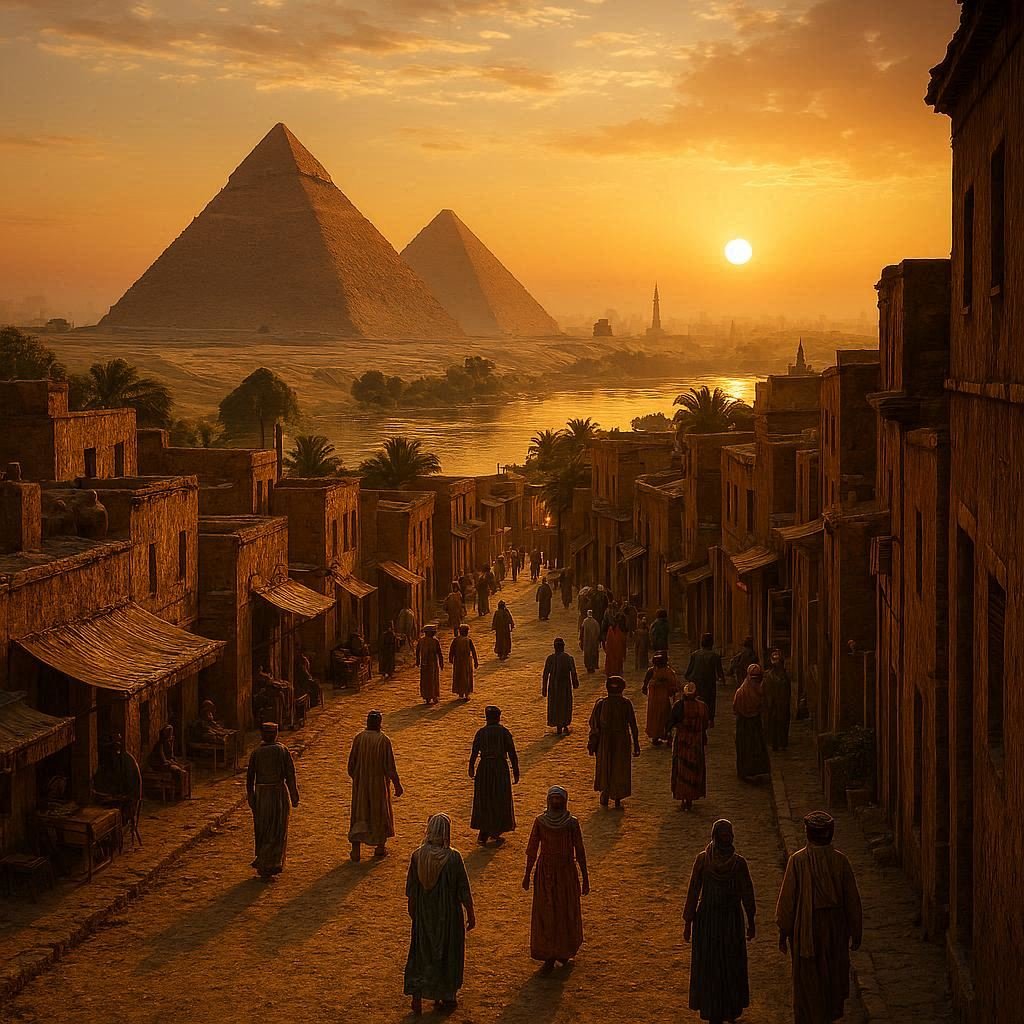
For many travelers from the United States, Egypt feels less like a vacation destination and more like a myth. We’ve seen the Pyramids in textbooks since the second grade, and we’ve watched enough Discovery Channel specials to feel like we know King Tut personally. But standing at the base of the Great Pyramid of Giza is a visceral experience that a high-definition screen can’t capture. It’s the smell of jasmine and diesel in the Cairo air, the call to prayer echoing across the Nile at dusk, and the sheer, humbling scale of monuments that have watched empires rise and fall for five millennia.
If you’ve been waiting for the “right time” to visit Egypt, that time is now. With the long-awaited Grand Egyptian Museum (GEM) fully opening its doors and a country that is more accessible than ever, Egypt is ready to move from your bucket list to your passport. Here is how to navigate the land of the Nile with confidence, curiosity, and a sense of adventure.
When to Go: Escaping the Sahara Heat
Egypt has two seasons: hot and hotter. For Americans used to air-conditioned lives, the Egyptian summer (June through August) can be a physical shock, with temperatures in Luxor often soaring past 104°F (40°C).
- The Peak Season (October to April): This is the “Goldilocks” window. The weather is crisp in the mornings and pleasantly warm in the afternoons. It’s perfect for exploring open-air temples without the risk of heatstroke.
- The Shoulder Season (May and September): If you can handle a bit of sweat, these months offer significantly lower prices and fewer crowds at major sites.
- Ramadan Considerations: Traveling during the holy month of Ramadan is a unique cultural experience. While some cafes may be closed during the day, the nights come alive with Iftar feasts and festive street lights. Just be mindful of public eating and drinking during daylight hours.
The Essential Route: Cairo, the Nile, and Beyond
Most U.S. travelers have about 10 to 14 days. To see the best of Egypt without burning out, you’ll want to focus on the “Historical Core” and perhaps a coastal escape.
1. Cairo
Cairo is a city that overwhelms the senses. Bold, bustling, and full of life, it invites visitors to look beyond the Pyramids of Giza and explore Saqqara, uncovering layers of Egypt’s rich history. Every corner of the city tells a story, making Cairo an unforgettable experience for anyone willing to explore its vibrant streets.
- Saqqara: Head 45 minutes south to see the Step Pyramid of Djoser. It’s older, less crowded, and the desert scenery is stunning.
- The Grand Egyptian Museum (GEM): Located right next to the pyramids, this is the largest archaeological museum in the world. Seeing the full Tutankhamun collection is a once-in-a-lifetime event.
- Khan el-Khalili: This 14th-century bazaar is the place to practice your bargaining skills. Grab a mint tea at El Fishawy, one of the oldest cafes in the city.
2. Luxor: The World’s Greatest Open-Air Museum
Luxor is where the “wow” factor shifts into high gear.
- Valley of the Kings: Your ticket usually covers three tombs. Pro tip: Pay the extra fee for the Tomb of Seti I or Nefertari; the colors are so vivid they look like they were painted yesterday.
- Karnak Temple: Visit at sunrise or late afternoon. The Great Hypostyle Hall, with its 134 massive columns, makes you feel like an ant in a forest of stone.
3. A Nile River Cruise
Floating from Luxor to Aswan is the quintessential Egyptian experience. It’s the best way to see the rural landscape—farmers working the fields with water buffalo, just as they did thousands of years ago. It’s slow travel at its finest.
4. The Red Sea: Dahab or Hurghada
After a week of dusty tombs and desert heat, you’ll want the ocean. Dahab is a favorite for its bohemian vibe and world-class diving (The Blue Hole), while Hurghada offers high-end luxury resorts for those who just want to lounge by a pool.
Budgeting for Your Adventure
Egypt remains an incredibly affordable destination for those carrying U.S. Dollars. However, “tourist prices” and “local prices” are two different things.
| Expense Category | Estimated Cost (USD) | What to Expect |
|---|---|---|
| Mid-Range Hotel | $60–$120 / night | Clean, AC, often includes breakfast. |
| Street Food (Koshary) | $2–$4 | Filling, delicious, and vegetarian-friendly. |
| Sit-down Dinner | $15–$25 | Includes grilled meats, mezze, and drinks. |
| Private Guide | $50–$80 / day | Highly recommended for navigating sites |
Egypt’s True Treasure isn’t Gold, It’s the People: A Warm Welcome Awaits
Treated Like an Honored Guest In Egyptian culture, hospitality is a sacred duty, and visitors are treated as honored guests. You will likely encounter many locals eager to assist you spontaneously in your daily travels without expecting anything in return. This inherent warmth and willingness to help strangers is deeply rooted in the culture, ensuring that your experience in Egypt is smooth, welcoming, and full of human connection
Safety and Practicalities: What Americans Need to Know
A question I often get is: “Is Egypt safe?” The short answer is yes. Egypt relies heavily on tourism, and there is a dedicated Tourist Police force present at every major site and hotel.
Street Smartness
The Hustle: At the Pyramids, you will be approached by camel drivers and souvenir sellers. A polite yet confident “La, Shukran” (No, thank you) while keeping your pace is the most effective approach. Don’t feel obligated to stop for everyone who says hello.
Dress Code: While Cairo is cosmopolitan, it is still a conservative society. Women should aim to cover their shoulders and knees to avoid unwanted attention and show respect for local norms. In the Red Sea resorts, western swimwear is perfectly fine.
Water Safety: Do not drink the tap water. Even for brushing your teeth, bottled water is the safer bet. Also, be wary of ice in drinks unless you’re at a high-end hotel.
Cultural Experiences You Shouldn’t Miss
To truly “get” Egypt, you have to look beyond the stone monuments.
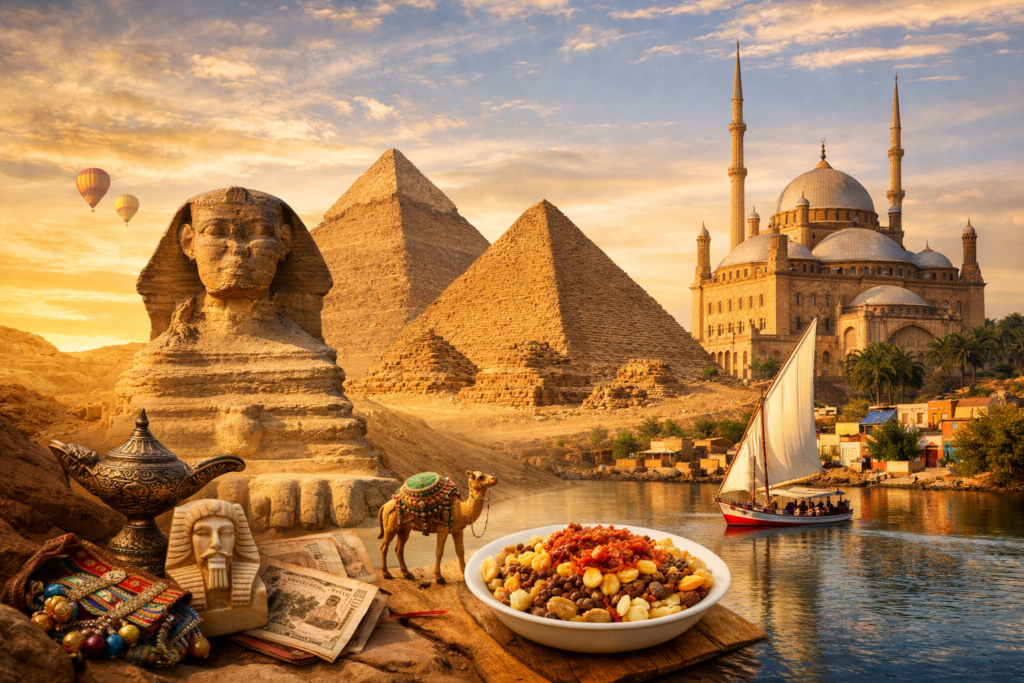
- Eat Koshary: This is Egypt’s national dish—a wild mix of pasta, rice, lentils, chickpeas, and fried onions topped with spicy tomato sauce. It’s comfort food at its peak.
- Ride a Felucca at Sunset: These traditional wooden sailboats have no motor. Gliding silently along the Nile in Aswan while the sky turns purple is the most peaceful moment you’ll have in Egypt.
- The Nubian Villages: Near Aswan, the Nubian culture is distinct, with brightly painted houses, unique music, and incredible hospitality.
Final Thoughts: The Gift of Perspective
Egypt is not a “relaxing” vacation in the traditional sense. It is loud, it is dusty, and it requires a bit of patience. But it is also a place that will fundamentally shift your perspective on time and human capability. There is something about touching a stone that was carved 4,000 years ago that makes our modern stresses feel a bit smaller.
The Egyptian people are some of the warmest, most humorous hosts you will ever meet. They are proud of their history and eager to share their “Om El Donya” (Mother of the World) with you.