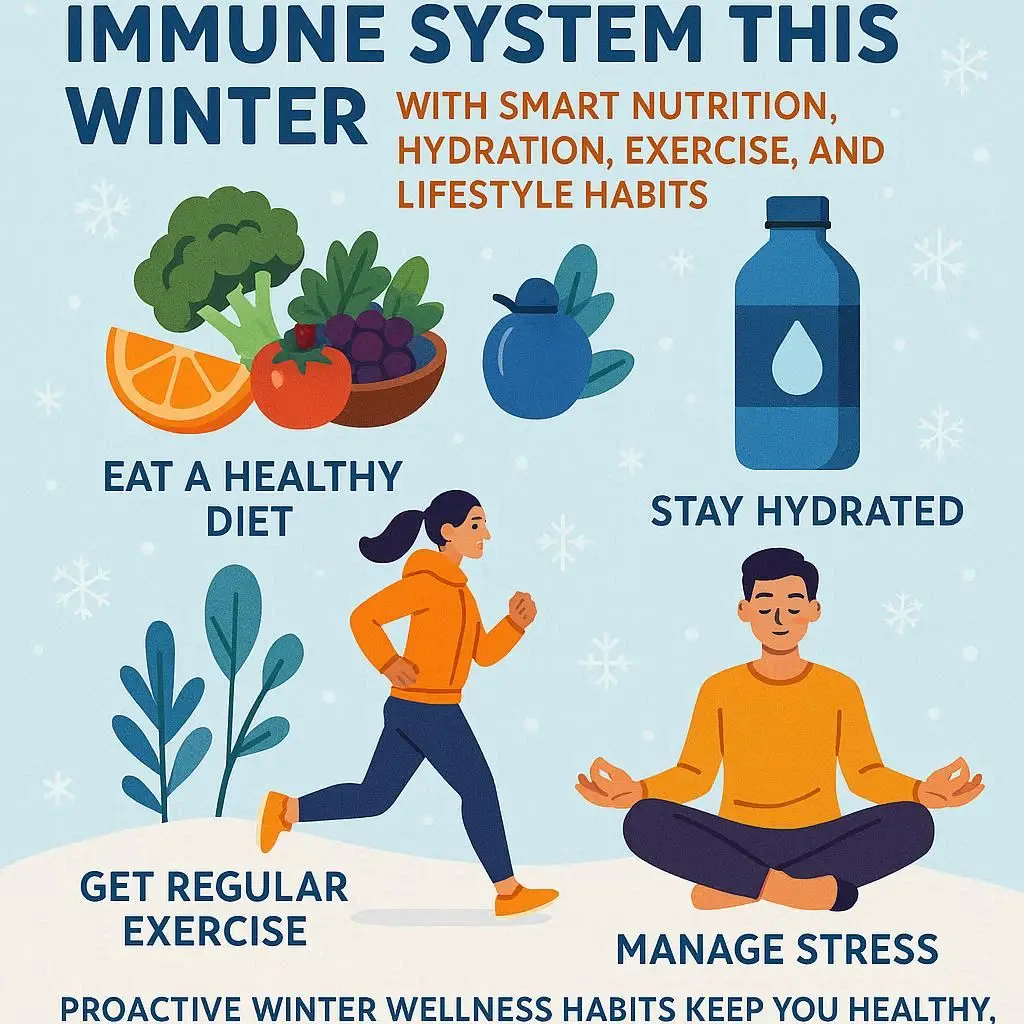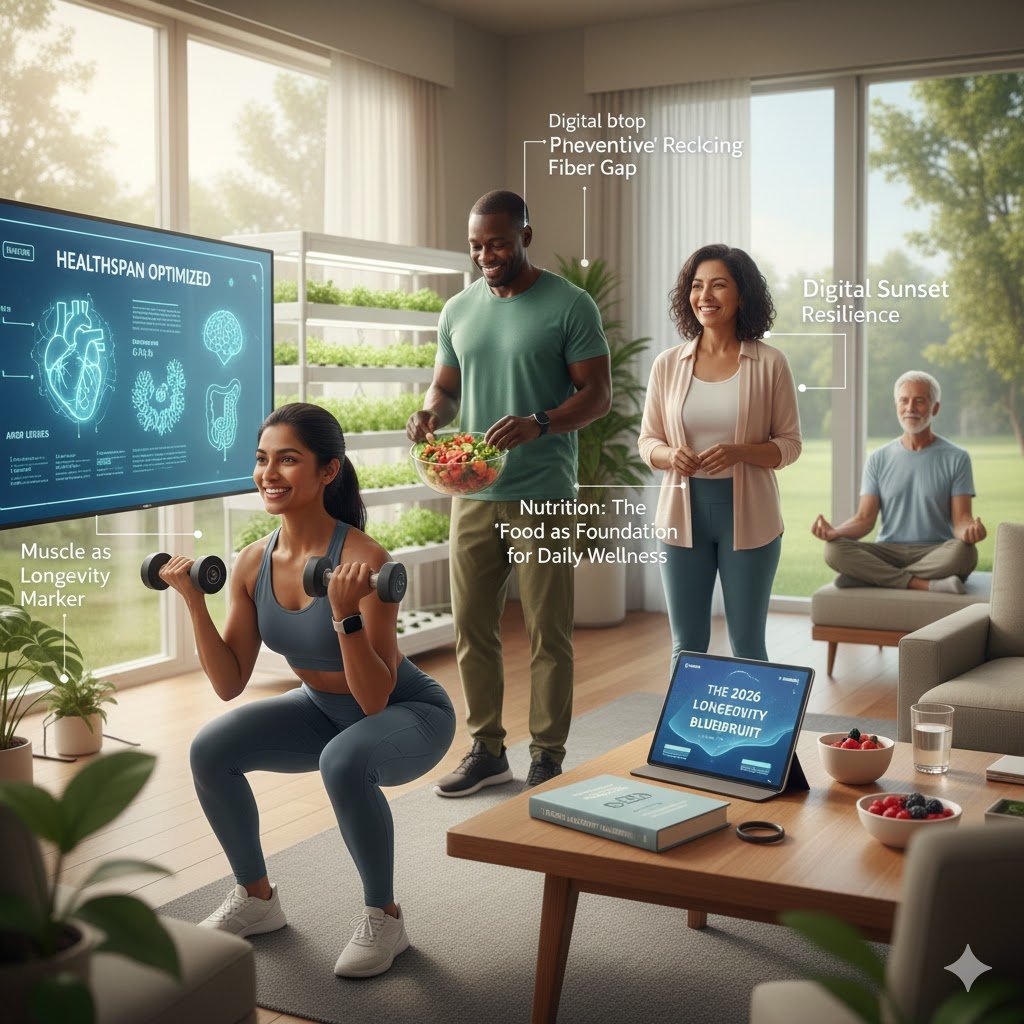
In 2026, the conversation around health in America has undergone a massive, fundamental shift. We are witnessing the end of the “reactive era,” where we waited for symptoms to appear before seeking help. Today, we are moving away from “sick care” and toward a proactive, preventive care mindset.
“Preventive health” is currently one of the most searched terms in the U.S. because millions of Americans are no longer satisfied with just surviving; they want to thrive. We have entered the era of “healthspan”—the portion of our lives spent in high-functioning, vibrant health, rather than just the total number of years we are alive.
Taking control of your daily wellness doesn’t require a radical, grueling overhaul of your life. Instead, it is about intentional, science-backed habits that protect your heart health, fortify your immunity, and ensure healthy aging. This guide is your 2026 roadmap to a healthy lifestyle built on clarity, simplicity, and sustainable action.
1. Prioritizing Heart Health and Metabolic Awareness
Heart disease remains a leading concern for adults in the United States, but in 2026, we view it as a largely preventable condition. Modern preventive care has moved beyond the “calories in vs. calories out” debate and focus instead on metabolic flexibility and the body’s internal signaling.
Monitor Your Modern Markers
Weight is a poor proxy for internal health. To truly protect your heart, you need to keep an eye on the “silent” numbers that dictate your cardiovascular future:
- A1C and Blood Sugar: Early detection of insulin resistance is the single best way to prevent metabolic syndrome. In 2026, many are using continuous glucose monitors (CGMs) to see how their favorite foods affect their energy in real-time.
- Apolipoprotein B (ApoB): Moving beyond basic LDL, ApoB is now recognized as a more precise measure of the particles that actually cause arterial plaque.
- Inflammation Levels (hs-CRP): Chronic inflammation is the “hidden fire” behind most U.S. health crises. High-sensitivity C-Reactive Protein tests can tell you if your body is under constant, invisible stress.
- Blood Pressure: Regular home monitoring helps you identify “white coat hypertension” and catch spikes caused by daily stress before they cause permanent damage to your arteries.
The Power of “Zone 2” Cardio
To protect your heart, the latest 2026 research suggests focusing on Zone 2 exercise. This is activity where your heart rate is elevated, but you can still hold a conversation (like a brisk walk, light jog, or steady cycling).
Why it works: Zone 2 builds a strong aerobic base and improves how your body burns fat for fuel (metabolic efficiency).
The Goal: Aim for 150 to 180 minutes per week. It is the literal “fountain of youth” for your mitochondria.
2. Nutrition: The “Food as Medicine” Reckoning
The American diet is currently undergoing an “ultra-processed food (UPF) reckoning.” We are realizing that the chemicals and stabilizers in modern snacks are driving the obesity and inflammation epidemic. Daily wellness in 2026 is about returning to the basics.
Focus on Anti-Inflammatory Whole Foods
A healthy lifestyle starts in the kitchen, but it shouldn’t feel like a chore. The goal is “Nutrient Density”—getting the most vitamins and minerals per calorie.
- The Fiber Gap: Most Americans get less than 15g of fiber daily. To support a strong immune system, aim for 30g+ by eating a variety of plants, seeds, and legumes. A healthy gut microbiome is your first line of defense against illness.
- Healthy Fats over Seed Oils: Focus on avocados, extra-virgin olive oil, and wild-caught fish. These fats help lower systemic inflammation and support brain health.
- Protein Timing: As we focus on healthy aging, muscle maintenance is critical. Spread your protein intake across three meals to maximize muscle protein synthesis and keep your metabolic rate high.
3. Muscle as a Longevity Marker
In 2026, we no longer view muscle as a sign of vanity; we treat it as an endocrine organ. Your muscles act as a “pharmacy,” releasing myokines (health-promoting molecules) every time they contract. Strength training is now a fundamental pillar of preventive health.
Resistance Training and Functional Movement
The 2-Session Minimum:
Just two sessions of strength training per week can significantly improve bone density and insulin sensitivity.
Functional Movement:
Focus on “Big Rocks”—squats, lunges, pushes, and carries. These are the movements that allow you to carry your groceries, play with your grandkids, and maintain independence as you age.
Grip Strength:
Believe it or not, grip strength is one of the strongest predictors of longevity in Americans today. If you can hang from a bar or carry heavy weights, your overall vitality is likely high.
4. Sleep and Immunity: The Recovery Pillars
You cannot supplement your way out of a lack of sleep. Quality rest is the time when your brain’s “glymphatic system” washes itself of toxins and your immune system resets.
The 2026 Sleep Protocol
Consistency is King:
Try to wake up and go to sleep at the same time every day, even on weekends. This keeps your circadian rhythm (internal clock) in sync.
Digital Sunset:
Dim the lights and put away screens 60 minutes before bed. The blue light from phones mimics high-noon sunlight, tricking your brain into suppressing melatonin.
Temperature Control:
Your body needs to drop its core temperature by about 1°C to initiate sleep. Maintain a cool, dark bedroom environment to support deeper sleep and optimal recovery.
5. Emotional Resilience: The Overlooked Preventive Tool
In the high-stress environment of modern American life, mental health is a physical health issue. Chronic stress floods the body with cortisol, which can lead to weight gain and heart issues.
Micro-meditation:
Just five minutes of mindful breathing can help shift your nervous system from stress mode to a calmer, restorative state.
Social Connection:
Loneliness has been identified as a major health risk, equivalent to smoking 15 cigarettes a day. Spending time with a community is a vital part of daily wellness.
FAQs: Your Preventive Health Questions Answered
Q: At what age should I start focusing on preventive care?
A: The best time was ten years ago; the second best time is right now. While specific screenings (like mammograms or colonoscopies) have age guidelines, the habits that prevent chronic disease—like movement and nutrition—should start as early as possible.
Q: Are wearables actually helpful for daily wellness?
A: They are excellent for identifying trends. Smart rings and watches can track Heart Rate Variability (HRV), which is a key indicator of whether your body is recovered or if you are about to get sick.
Q: Is “Organic” food necessary for a healthy lifestyle?
A: While organic is great for reducing pesticide exposure, eating any vegetable is better than eating no vegetable. Focus on the “Dirty Dozen” (like strawberries and spinach) if you want to prioritize organic purchases.
Q: How frequently should I have routine blood tests done?
A: For most healthy adults, an annual check-up is the gold standard. However, if you are working on specific goals like lowering cholesterol or blood sugar, your doctor may recommend a check every six months to track progress.
Conclusion: Start Small, Stay Consistent
Preventive health isn’t about being perfect; it’s about being prepared. In 2026, we have more data and tools than ever before to take control of our future. By focusing on heart health, moving your body intentionally, and prioritizing the restorative power of sleep, you are making a massive down payment on your future self.
Don’t try to change everything tomorrow. Realistic changes—like adding a 10-minute walk after dinner, swapping one processed snack for a piece of fruit, or setting a “digital sunset”—add up to massive results over time. You have the ability to take control and shape your own path to better health.
Question for reflection:
What is one small step you can take today for your daily wellness?
Next Steps (Optional):
- Create a customized 7-day meal plan based on the anti-inflammatory principles mentioned above.
- Draft a 30-minute beginner strength routine you can do at home.
- Generate a preventive screening checklist tailored to your specific age group