Introduction
Summer is one of the most active and enjoyable seasons in the United States. Families travel, people spend more time outdoors, and social activities increase. However, higher temperatures and increased sun exposure also bring a unique set of health risks. Every year, millions of Americans search online for ways to stay healthy during summer and avoid common seasonal illnesses.
This complete guide explains the most common summer health problems, their symptoms, and proven prevention strategies to help you stay safe, hydrated, and energized throughout the hot months.
Why Summer Affects Your Health
During summer, the body works harder to regulate internal temperature. Excessive heat, humidity, and prolonged sun exposure can lead to dehydration, heat-related illnesses, and skin damage. Outdoor activities, travel, and barbecues also increase the risk of foodborne illnesses and infections.
Understanding these risks allows you to take simple preventive steps that can protect your health and improve your overall summer experience.
Heat Exhaustion and Heat Stroke
What Is Heat Exhaustion?
Heat exhaustion happens when your body loses excessive water and salt through sweating. It is one of the most common summer-related health problems in the U.S.
Common Symptoms:
- Heavy sweating
- Dizziness
- Weakness or fatigue
- Headache
- Nausea
- Cold or clammy skin
Heat Stroke: A Medical Emergency
If heat exhaustion is ignored, it can progress to heat stroke, which is life-threatening.
Symptoms include:
- High body temperature
- Confusion or disorientation
- Rapid heartbeat
- Loss of consciousness
Prevention Tips:
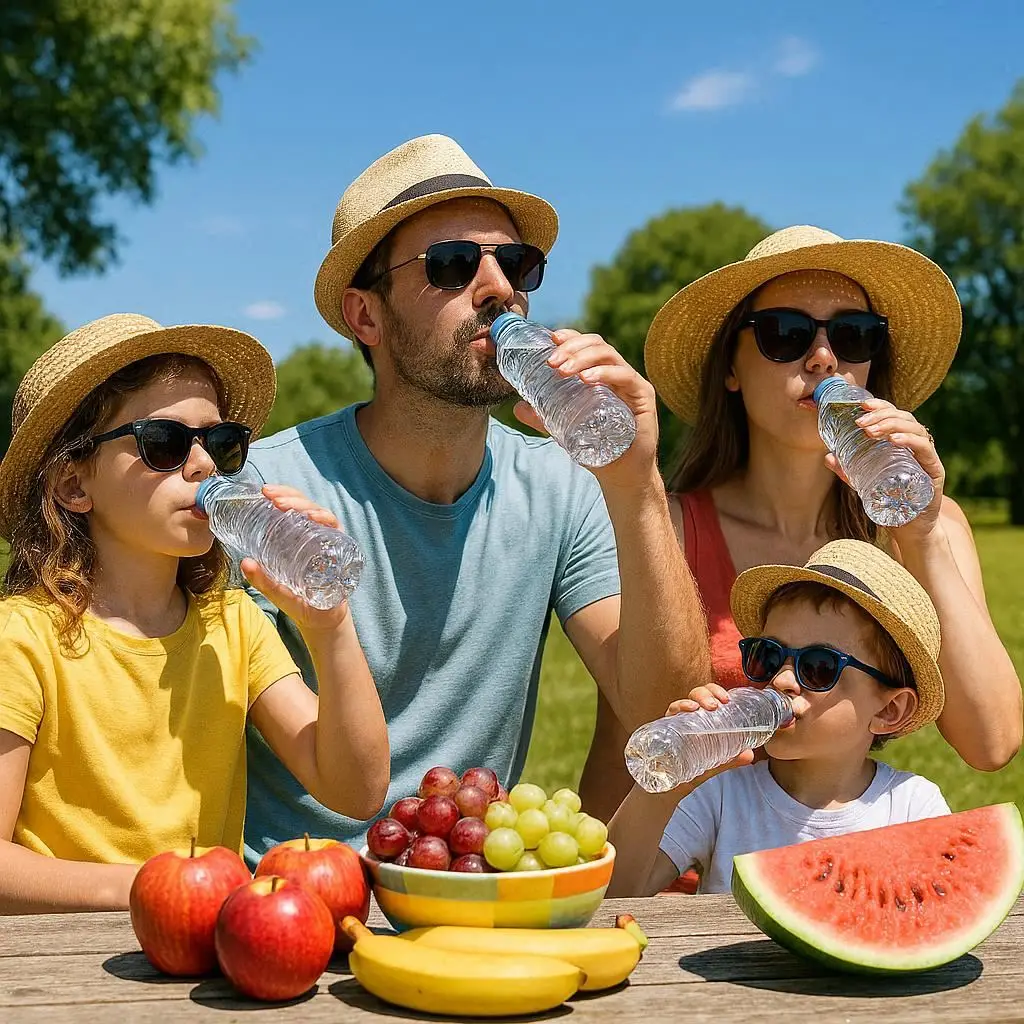
- Stay hydrated by drinking water regularly, even when you don’t feel thirsty
- Avoid being outdoors during the hottest hours of the day (11 AM to 4 PM)
- Wear light-colored, breathable clothing
- Take frequent breaks in shaded or air-conditioned areas
Dehydration
Why Dehydration Is Common in Summer
High temperatures increase sweating, causing the body to lose fluids quickly. Many people underestimate how much water they need during hot weather.
Signs of Dehydration:
- Dry mouth
- Dark-colored urine
- Fatigue
- Headaches
- Muscle cramps
How to Stay Hydrated:
- Drink water throughout the day
- Limit alcohol and sugary drinks
- Carry a reusable water bottle when outdoors
Sunburn and Skin Damage
The Danger of UV Exposure
Extended sun exposure can harm your skin and raise the risk of premature aging and skin cancer. Sunburn is one of the most common summer health complaints.
Symptoms of Sunburn:
- Red, painful skin
- Swelling
- Blistering in severe cases
- Peeling skin
Skin Protection Tips:
- Use sunscreen with SPF 30 or higher
- Reapply sunscreen every two hours
- Wear hats and sunglasses
- Seek shade during peak sunlight hours
Food Poisoning and Summer Stomach Illness
Why Food Poisoning Increases in Summer
Warm temperatures allow bacteria to grow faster, especially in improperly stored or undercooked foods. Outdoor events such as picnics and barbecues increase the risk.
Common Symptoms:
- Stomach cramps
- Diarrhea
- Vomiting
- Fever
Food Safety Tips:
- Keep cold foods refrigerated
- Avoid leaving food in the sun
- Wash hands before handling food
- Cook meats thoroughly
Allergies and Respiratory Issues
Summer Allergies
Pollen, grass, and mold spores peak during summer months, triggering allergy symptoms in many Americans.
Common Symptoms:
- Sneezing
- Runny nose
- Itchy eyes
- Congestion
How to Reduce Allergy Symptoms:
- Keep windows closed during high pollen days
- Shower after outdoor activities
- Use air purifiers indoors
- Take doctor-approved allergy medications
Insect Bites and Vector-Borne Diseases
Mosquito and Tick Risks
Summer brings higher exposure to mosquitoes and ticks, which may carry diseases like West Nile virus and Lyme disease.
Protection Strategies:
- Use insect repellent
- Wear long sleeves when hiking
- Avoid standing water areas
- Check skin for ticks after outdoor activities
Swimming-Related Health Risks
Pool and Water Safety Issues
Swimming pools, lakes, and beaches are popular in summer but can expose people to infections if water quality is poor.
Prevention Tips:
- Avoid swallowing pool or lake water
- Shower before and after swimming
- Do not swim with open wounds
- Choose clean, well-maintained swimming areas
Summer Fatigue and Sleep Problems
Why Sleep Gets Worse in Summer
Longer daylight hours and higher nighttime temperatures can disrupt sleep patterns.
How to Improve Sleep:
- Keep bedrooms cool
- Use blackout curtains
- Maintain a regular sleep schedule
- Avoid caffeine late in the day
Healthy Summer Eating Habits
Best Summer Foods for Health
Eating light and nutrient-rich meals helps the body stay energized.
Recommended Foods Include:
- Fresh fruits and vegetables
- Lean proteins
- Whole grains
- Yogurt and fermented foods
Foods to Limit:
- Fried foods
- Sugary snacks
- Excessive fast food
- Alcohol
Exercise Safety in Hot Weather
Smart Workout Tips
Exercise is important year-round, but summer heat requires adjustments.
- Exercise early morning or evening
- Drink water before and after workouts
- Wear breathable clothing
- Reduce workout intensity during extreme heat
Travel Health Tips for Summer Vacations
Summer is peak travel season in the U.S., increasing exposure to dehydration, fatigue, and infections.
Travel Health Checklist:
- Pack sunscreen and medications
- Stay hydrated during flights
- Walk and stretch regularly
- Maintain healthy eating habits
Building a Summer Health Routine
Creating a daily routine helps prevent most summer-related health issues.
Simple Daily Habits:
- Drink water every hour
- Apply sunscreen before going outdoors
- Eat balanced meals
- Get enough sleep
- Take rest breaks
Final Thoughts
Summer can be one of the healthiest and happiest seasons when managed correctly. By understanding common summer health problems and applying simple prevention strategies, you can protect your body, boost energy levels, and enjoy outdoor activities safely.
Staying hydrated, protecting your skin, practicing food safety, and listening to your body are the foundation of a healthy summer lifestyle. Small daily habits can make a big difference in preventing illness and maintaining overall well-being.